Water Damage-Related Cleanup & Repair Marietta GA — Fast Recovery

Did you discover water damage in your basement? Ceiling from dripping from a burst pipe? You need help immediately! 

You’ve grabbed every towel in the house. You’ve dragged out the shop-vac. But the water keeps spreading, and moisture is seeping deeper into your floorboards and drywall. Call now to get our water damage extraction and restoration crew on site within 60 mintues to start your water damage related-cleanup and repair.

Fast Extraction & Complete Rebuild

When dealing with water damage, you are racing against time to prevent mold. You need commercial-grade extraction pumps and dehumidifiers to pull moisture out of your home’s structure.

We handle the entire mess, starting with your initial call all the way through the final drywall finishing. We document everything for your insurance adjuster and manage the complete rebuild. No subcontractors. No gaps in communication. Just fast, effective relief that gets your property completely dry and fully repaired.

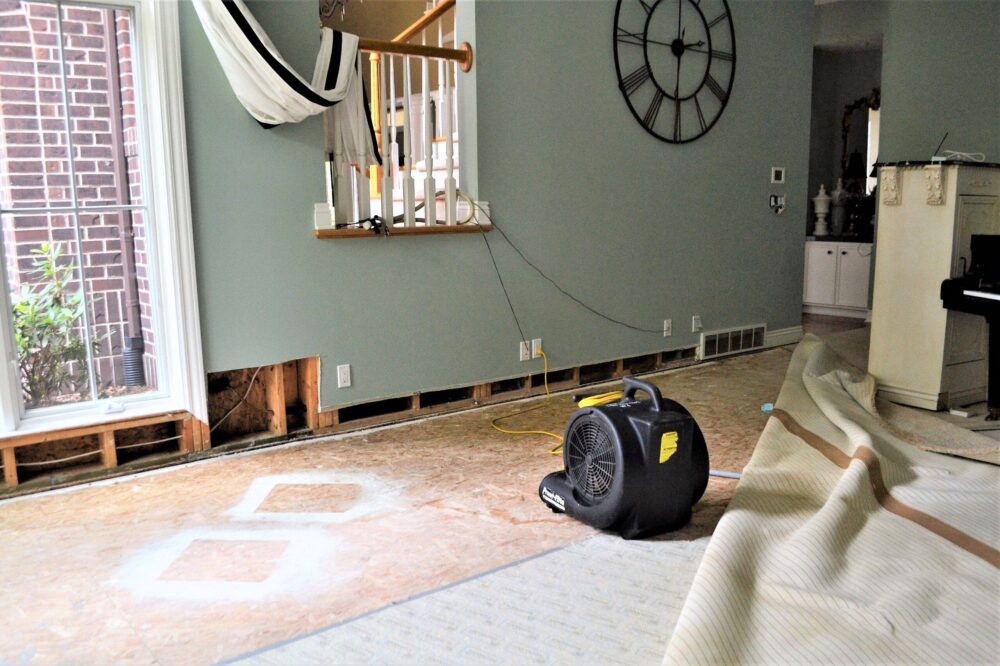
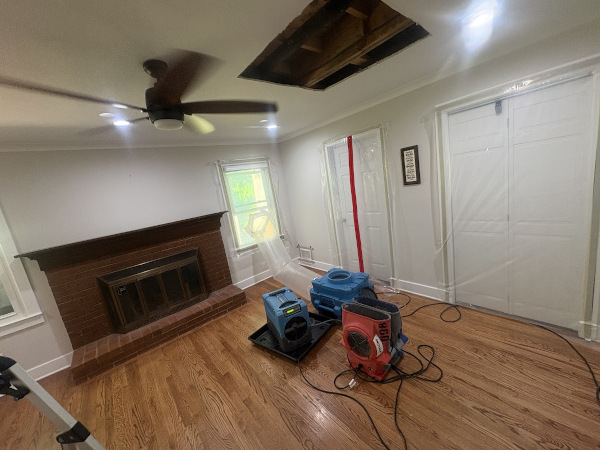
Living room at home on Weatherstone Pkwy, Marietta GA with brick fireplace, ceiling fan, blue and red air movers on hardwood, plastic containment over doors and windows, and large ceiling hole exposing damaged joists. Relief Remediation drying chamber after ceiling demolition.

Cleanup & Repair for New & Historic Homes

Marietta’s housing landscape changes depending on which side of the Square or I-75 you live on. That changes everything about how water damage related-cleanup and repair works here.

The housing across Marietta is diverse. Century-old homes near Marietta Square sit just miles away from newer subdivisions off Dallas Highway and aging commercial strips lining Cobb Parkway. This means we see a range of water cleanup jobs here:

  • Historic Homes: Cast iron pipe failures in 1920s properties near the Square that require delicate moisture extraction to save original hardwood floors.

  • Modern Subdivisions: Appliance leak cleanup in 1990s-era split-level homes out West where water sits pooling in finished basements.

  • Commercial Properties: Flooding in older retail strips and apartment complexes along US-41.

  • Weather Events: Storm damage cleanup after heavy Georgia downpours overwhelm imperfect grading in hilly areas.

It’s not uncommon in Marietta for an aging water heater to give out, or a bathroom water line to burst while everyone is at work. By the time it’s discovered, water has already spread across multiple rooms, soaking into baseboards, seeping under the flooring, and wicking up the drywall.  

That’s stressful. Your house is a mess, and you don’t know where to start. We walk you through it. We document everything for your insurance adjuster. We get the water out fast so mold doesn’t get a foothold.

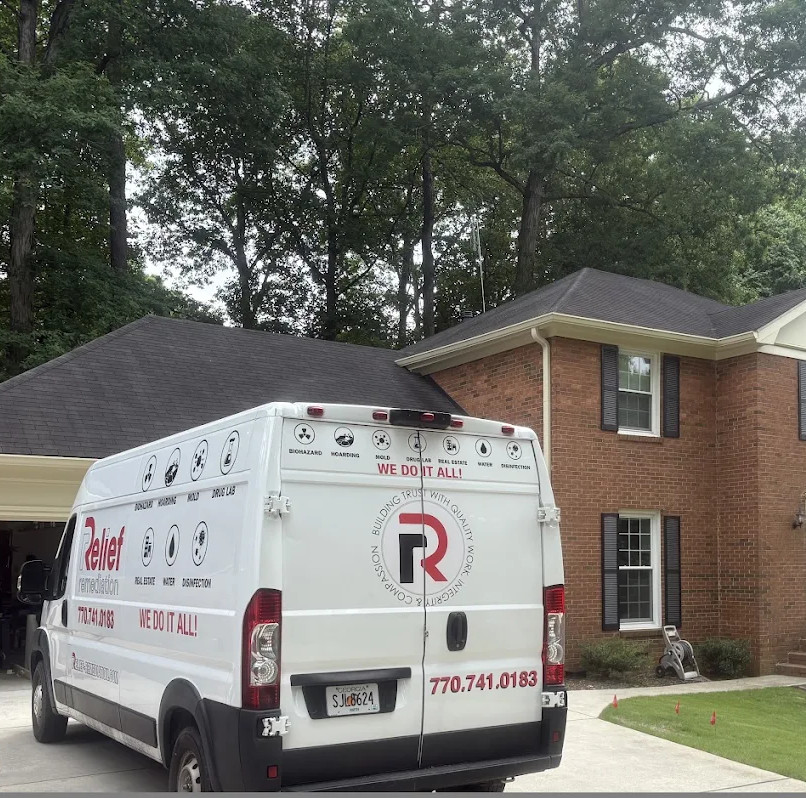
Relief Remediation Ram ProMaster service van parked in driveway at Weatherstone Pkwy, Marietta GA 30068 in front of two-story brick traditional home. IICRC-certified water damage and mold remediation in progress.

Our Water Damage Restoration Process

What separates professional water damage cleanup from a DIY attempt? Equipment, speed, and documentation. We’ve dialed in our water damage restoration process to be as thorough and stress-free as possible. Here’s how it works:

1. Emergency Response

As soon as you call, we dispatch a crew. Our first goal is to shut off the water source if neccessary and identify the source of the water. Before any work begins, we’ll also have you sign a simple work authorization. This authorizes us to start mitigation and to work directly with—and invoice—your insurance provider, so you’re not stuck fronting costs or chasing paperwork.

2. Damage Assessment

Our certified technicians perform a full damage assessment, inspecting all affected areas—including behind walls, under flooring, and inside ceilings. We determine the class of water damage and the type of water involved, which directly impacts safety measures and cleanup and restoration plans.

3. Water Extraction & Removal

We bring in heavy-duty pumps and vacuums to remove water fast. Depending on the amount of water, this phase could involve extracting hundreds of gallons of water. We also set up drying equipment like air movers and dehumidifiers to eliminate lingering water vapor.

4. Drying & Dehumidifying

We set up drying equipment like air movers and dehumidifiers that are rated for Georgia humidity, which sits between 70 and 85 percent for most of the year.

Our team uses moisture meters to track water in walls, floors, and ceiling structures. This helps us avoid hidden moisture that can later cause mold damage.

5. Cleaning & Sanitizing

We thoroughly clean and disinfect all surfaces with antimicrobial solutions. This step helps combat bacteria, remove odors, and prevent mold and mildew. If needed, we also provide mold remediation.

6. Documentation & Insurance Submission

From the moment we arrive, we document everything. We maintain a detailed dry log of daily moisture readings, equipment placement, and drying progress, and take photos at every stage. Once the work is finished, we compile this documentation with our invoice and submit the complete package directly to your insurance company for payment.

7. Reconstruction

Once demolition is complete and the property has been fully stabilized and dried, it’s ready to be rebuilt. At this point we can bring in our reconstruction team to handle the repairs and restore your property to its pre-loss condition. There’s no obligation. You’re free to have our reconstruction team do the additional work or use a contractor of your own choosing.
Water damage repair company in Marietta, GA

Why Homeowners in Marietta Choose Us?

  • Help arrives in 60 minutes or less. When water starts damaging your home timing is everything. We respond 24/7.
  • You want to know everything is dry and safe. We use tools to detect hidden moisture to dry it out to prevent mold growth. Then we repair the water damage.
  • Certification matters when it comes to proper techniques. We have the industy’s gold standard certification. So your home is in the hands of the most qualified response team.
  • Insurance is confusing. We work with your insurance company on your behalf.
  • Dealing with water damage is stressful enough. Bringing workers into your home is a big deal. We know that and our tea, handles your home with care and respect.

Water restoration company near me

Burst Pipe Cleanup

A burst pipe can release hundreds of gallons in minutes. January and February cold snaps freeze pipes in Marietta attics and exterior walls. Aging galvanized and copper plumbing fails in older homes near Marietta Square, Indian Hills, Dunleith, and Glover Park. Newer homes in East Cobb and Chestnut Creek see supply line and slab leaks.

We stop the water and start emergency water extraction. Then we find the water trapped in walls and ceilings. Structural drying takes 3 to 5 days, and then we rebuild. When a pipe bursts under the house, we handle crawl space mold remediation too. We coordinate repairs with local Marietta plumbers, so you work with one team.

Burst pipe emergency: Shut off your main water valve and call 770-741-0183.

Appliance Leak Cleanup

A failed water heater dumps 40 to 80 gallons. A broken washing machine hose releases several gallons a minute while you’re at work. Dishwasher, refrigerator ice maker, AC condensate, and sink supply leaks hide under cabinets and behind walls for days.

We handle appliance leak cleanup in Chimney Springs, Charlton Forge, Hamilton Grove, and Kennesaw. We remove the water and use moisture detection to check under floors and inside cabinets. We also check the ceilings below upstairs laundry rooms. Then we dry everything and repair the floors, drywall, cabinets, and baseboards. If mold has started, we handle black mold removal too.

Tip: Replace rubber washer hoses every 5 years with braided stainless steel.

How to Prevent Water Damage Before It Starts

Nobody wants to wake up to standing water in their basement or a ceiling that’s caving in from a hidden leak. The good news? Most cases of water damage are entirely preventable with the right proactive measures. Here’s how to stay one step ahead:

1. Know Your Plumbing (and Your Plumber)

Get familiar with your home’s plumbing system, especially when it comes to where the shut-off valves are. This can be a lifesaver in the event of a burst pipe or appliance failure. If your system is old or made of outdated materials, have a licensed professional inspect it. Regular checks of plumb lines under sinks, behind toilets, and near water heaters can reveal issues before they cause serious property damage.

Smart homeowners are investing in moisture sensors and smart leak detectors. These gadgets can alert you at the first sign of water infiltration, allowing you to act quickly before a slow drip turns into a costly disaster. Place them near your water supply lines, washing machines, dishwashers, or anywhere water damage is likely to occur.

If your yard slopes toward your home, surface water from rainstorms can pool around the foundation and infiltrate your basement. Make sure your landscaping directs water away from the house. Clean and extend downspouts, and check that the soil around your foundation slopes away from the structure.

Your roof is the first line of defense against storm damage and rising water. Inspect shingles for wear, ensure flashing is secure, and look for any signs of sagging or rot. Clogged gutters and downspouts can overflow, allowing water to cause damage to ceilings, siding, and even your foundation. Clean them at least twice a year—or more often if trees surround you.

When remodeling or restoring, consider using water-resistant materials like moisture-rated drywall, sealed flooring, and non-porous finishes in water-prone areas. These materials not only resist water absorption but also slow down mold growth if water damage occurs.

Even a seemingly minor water leak, like a dripping faucet or sweating pipe, can signal a bigger issue lurking behind walls or under floors. Pay attention to sudden changes in your water usage or unexplained increases in your utility bill. They could be warning signs of hidden water damage or even a slow water loss.

If your basement has a sump pump, test it quarterly to make sure it works. Add a battery backup to ensure it runs during power outages—especially important during storms. A failed pump during a storm can lead to major water damage in just a few hours.

Cold snaps can quickly turn into a disaster if you’re not prepared. Insulating exposed pipes in basements, crawl spaces, and exterior walls helps prevent water damage caused by burst pipes due to freezing. If a cold front is on the way, keep a slow trickle of water flowing through vulnerable pipes.

Preventing water damage is all about vigilance, maintenance, and acting on minor problems before they snowball. These strategies won’t just minimize the damage—they’ll protect your investment, improve safety, and give you lasting peace of mind.


Even with the best prevention, water damage cleanup is sometimes unavoidable. Aging supply lines fail. Georgia storms drop several inches of rain in under an hour. Water heaters corrode from the inside out. When it happens, the difference between a manageable repair and a full gut renovation is how fast the right team gets on site. Relief Remediation provides complete water damage restoration services including extraction, structural drying, content restoration, mold prevention, and rebuild.  

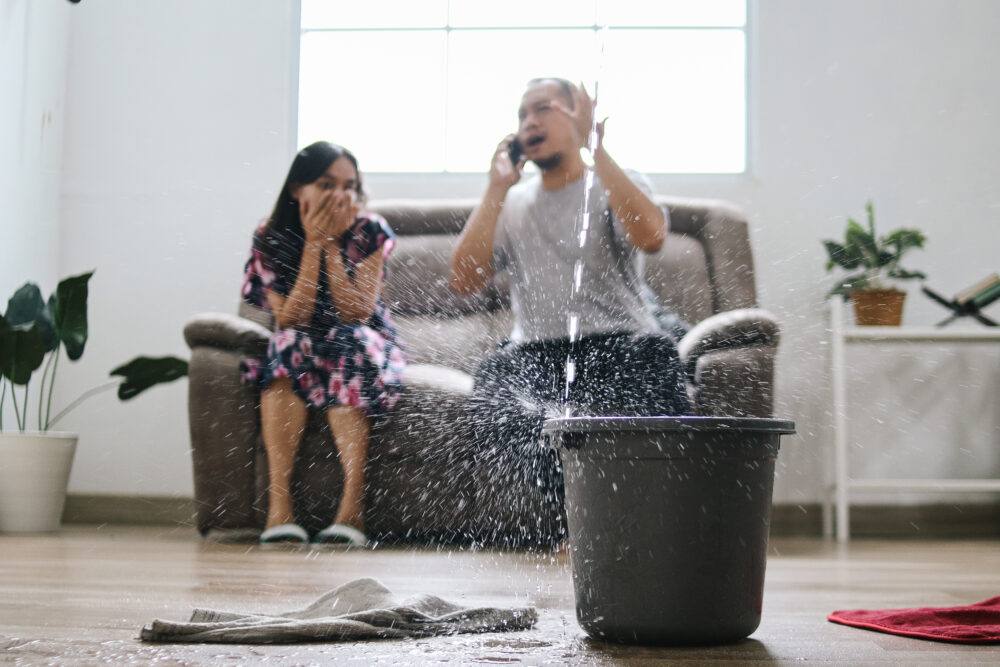
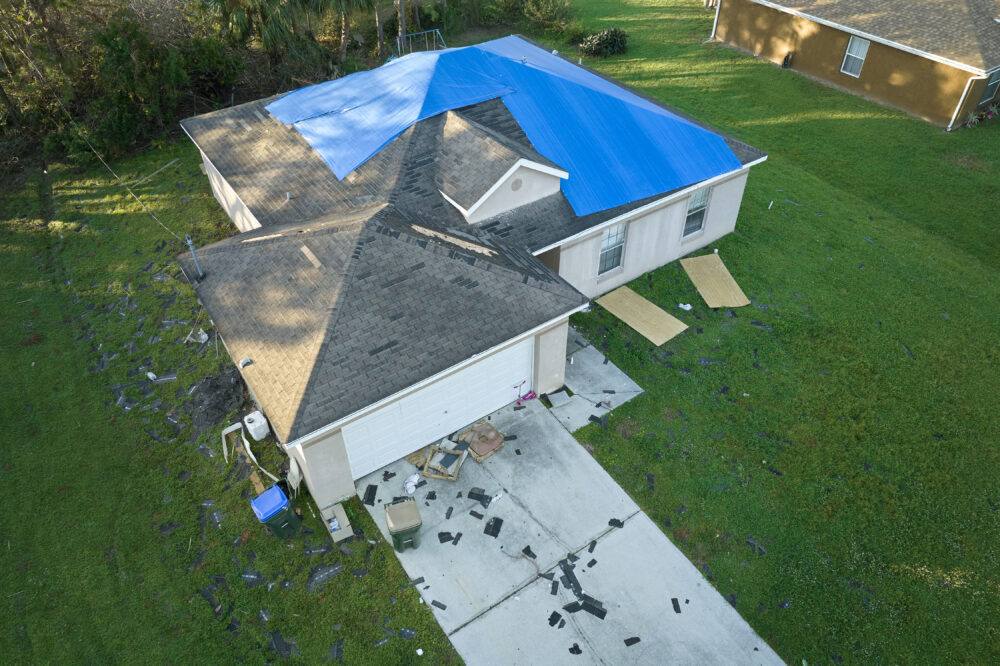
Top view of leaking house roof

Why Water Damage Is a Big Deal

Water damage isn’t just a puddle problem. It can lead to structural damage, mold growth, and long-term issues that compromise your home’s value and safety. When water infiltrates your home or business, it seeps into porous materials like carpet, drywall, and wood, creating the perfect environment for mold to thrive.

Even worse, different types of water (clean, gray, or black) present other risks. Some water is contaminated with substances that are  health hazardous. That’s why it’s critical to respond immediately when you spot the signs of water damage, like musty odors, bubbling paint, warped flooring, and water stains.

According to the National Flood Insurance Program, even just one inch of flood water can cause thousands of dollars in property damage. You don’t want to leave water sitting longer than necessary.

Water damage cleanup company

Frequently Asked Questions
Water Damage Restoration

How Much Does Water Damage Lower Your Home's Value?

Water damage can lower a home’s value when buyers see unresolved moisture issues, visible damage, or repairs that do not address the source of the problem. Prompt, complete repairs and clear documentation can help protect a property’s condition and marketability. Learn more in our guide to how water damage can affect your home’s value.

Can Water-Damaged Drywall Be Saved or Does It Need to Be Replaced?

Whether wet drywall can be saved depends on whether the material has lost its structural integrity or has been exposed to contaminated water. If the drywall is still firm and dried within the first 24 to 48 hours, it can often be salvaged, but soft or sagging panels typically require replacement to prevent mold. You can find more specific criteria for evaluating your situation in our home owner’s guide.

How soon should water damage restoration begin after a flood or leak?

As soon as possible. You’ve probably heard that you’ve got 24-48 hours. But that’s how long you have to get started. That’s when you need to be finished. But the hour count can change depending on the location of the water, the airflow, humidity level and type of water. Read our Marietta homeowner’s guide before you have a water issue so you are ready in the event your home sustains water damage.

Do I really need water damage restoration?

Yes, you do, especially if water has seeped into your walls or floors. Even if things feel dry to the touch, hidden moisture trapped underneath will quickly spawn harmful mold and weaken your home’s structural supports. For more information read our guide on why you need water damage restoration.

What Does Water Damage Restoration Involve?

It involves four main phases: water extraction, industrial drying, sanitization, and structural repair. Read our full explanation on step-by-step breakdown page.

Surprisingly little. Just one inch of flood water can result in significant water damage to flooring, drywall, and electrical systems, often costing thousands in repairs. Depending on the amount of water, you may expose your home to saturated materials, rising humidity, and even mold growth. Quick water extraction is key to minimizing losses, so don’t underestimate a small puddle—it could mean hundreds of gallons of water seeping into your floor, baseboards, and beyond.

Does Insurance Cover Water Damage Restoration?

Most homeowners insurance policies cover sudden and accidental water damage. But there are exceptions, such as flooding. For details about what insurance typically covers and won’t read our guide about insurance coverage.

Ideally, both—but call your water damage restoration company immediately so they can start mitigating damage. The longer you wait, the more the damage can escalate. Plus, a team can help document the initial damage, identify the source of the water, and provide your insurance companies with detailed assessments. They are familiar with navigating insurance policies and working with providers to make sure you get the best chance of a fair claim, especially if you’re unsure whether your policy will cover flood damage.

How do you know if water damage is old or new?

Spotting the difference isn’t always easy without a trained eye. Old water damage might leave dry, yellowish water stains, crumbling drywall, or brittle floorboards. Fresh damage feels soft or damp to the touch and often smells musty due to trapped moisture or mold and mildew. We recommend a professional inspection to determine the age and extent of the damage caused, especially if you’re dealing with hidden water damage behind walls or beneath flooring. Early detection can prevent water damage from escalating.

What areas do you service?

Relief Remediation proudly services Marietta, GA and surrounding communities like Smyrna, Kennesaw, Roswell & Atlanta. 

Let's Fix That Flooded Mess—Call Relief Remediation

Whether you’re battling home water damage from a leak, flood, or plumbing mishap, Relief Remediation is a trusted name in the water remediation industry. We handle the mess, the stress, and everything in between.

Relief Remediation – Keeping you dry, safe, and one step ahead of water damage.

Request an Appointment