
Why the 24-48 Hour Rule Isn’t the Full Answer
You’ve probably heard the 24 to 48 hour rule. Mold can start growing in that window. It’s true. But that number gives you a deadline, not a plan. It tells you when trouble might start. It doesn’t tell you what’s happening inside your walls right now.
Here’s what we mean. A pipe burst in a Marietta home near Kennesaw Mountain last spring. The homeowner mopped up the visible water fast, under 12 hours. She felt relieved. Three weeks later, her drywall was soft and dark near the baseboards. Water had traveled behind the wall into the insulation. Nobody could see it. The clock had already run out on the parts of the house nobody was watching.
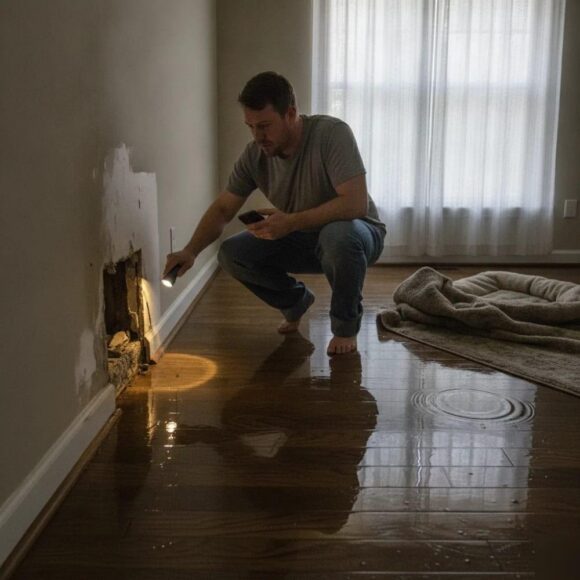
That’s the real problem with treating 24-48 hours like a finish line. Water doesn’t sit where you can see it. It moves through wood grain, climbs up drywall through capillary action, and pools under carpet pads where air never reaches. And the humidity in Georgia doesn’t help. Summer air here holds a lot of moisture already. That means your home’s building materials dry out slower than they would somewhere with drier air. A wall that might dry safely in Arizona in two days could still be damp in Cobb County five days later.
So the hour count matters less than what’s happening at the material level. Ask yourself these questions instead of just watching the clock:
- Has water reached porous materials like drywall, subfloor, or insulation?
- Is the affected area sealed off from airflow, like a closet or crawl space?
- What’s the humidity level in the room right now?
- Was the water clean, or did it carry contaminants from a sewage backup or appliance leak?
Those four questions tell you more than a countdown ever could.
We see this mistake all the time. Someone waits three days because their neighbor said “you’ve got 48 hours, you’re fine.” Meanwhile the water already soaked into the subfloor under the kitchen cabinets. By the time anyone notices a musty smell, the damage has moved from a water problem into a moisture problem that lives inside the structure itself.
This is why moisture detection matters as much as speed. A trained technician doesn’t just look at the room. They check behind baseboards, under flooring, and inside wall cavities with tools that measure moisture you can’t see or feel. That’s the piece the 24-48 hour rule leaves out entirely.
Most people don’t realize this until it’s too late, and by then the fix costs more time and more disruption to daily life. The real question isn’t “how many hours has it been.” It’s “how much moisture is trapped, and where.” Starting water damage restoration services depends less on the clock and more on catching that trapped moisture before it becomes a bigger structural or health issue.
What Happens to Your Home Hour by Hour
Water doesn’t wait. The moment a pipe bursts or a storm pushes water under your door, a clock starts. And most homeowners in Marietta don’t realize how fast that clock runs.
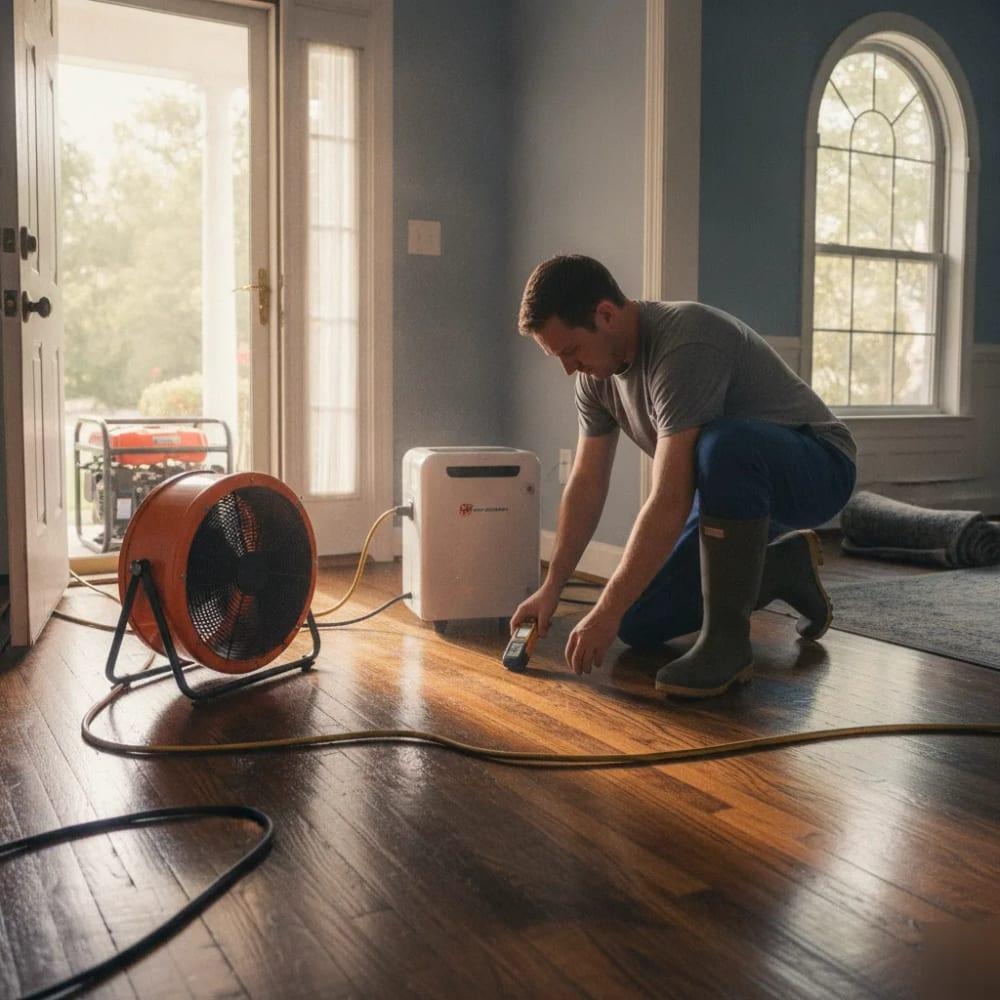
We’ve walked into homes two hours after a leak and homes two days after a leak. The difference is night and day. Here’s what tends to happen, hour by hour, when water gets into a home and nobody responds yet.
- Hour 1: Water spreads across floors and soaks into carpet, baseboards, and the bottom of drywall. It looks manageable right now. It isn’t.
- Hours 1-24: Drywall starts to swell. Wood floors begin to cup and warp. Furniture legs stain the carpet underneath. Metal fixtures start to show early corrosion.
- Hours 24-48: This is the window mold spores need to start growing, according to the EPA. Once mold takes hold, cleanup gets a lot more involved.
- Hours 48-72: Wood floors that could have been saved often need to be pulled up. Drywall gets soft. Odor sets into fabric and framing.
- After 72 hours: Structural wood can weaken. Mold colonies spread behind walls where you can’t see them. What started as a leak is now a bigger repair job.
Georgia summers don’t help. Marietta humidity sits high for months at a time, so wet materials never get a chance to dry on their own. A crawl space under a Cobb County home holds moisture like a sponge holds water. We’ve pulled up flooring in homes near Marietta Square where the subfloor was still damp three weeks after a small appliance leak, because nobody caught it early.
Here’s a scenario we see. A family leaves for a weekend trip. A supply line to the ice maker lets go Friday night. They come home Sunday evening to soaked flooring in the kitchen and hallway. By then, drywall has wicked water up the wall two feet. The subfloor is already softening. What could have been a same-day extraction and dry-out turns into torn-out cabinets and new flooring.
That’s the real cost of waiting. It’s not just the water sitting there. It’s what the water touches, and how long it stays touching it.
This is why timing matters more than almost anything else in this process. A home inspected and dried within the first few hours has options. A home left wet for days often doesn’t. And that gap between those two outcomes usually comes down to one thing: how fast someone picked up the phone and called for water damage restoration.
Does Your Situation Need Help Now or Can It Wait? Three Scenarios
Not every leak is an emergency. But how do you know which one you’re dealing with? Let’s walk through three real situations we see across Marietta homes every week.
Scenario One: The Overnight Basement Flood
You wake up. Your basement carpet squishes under your feet. Water covers the floor from a sump pump failure or a storm surge overnight.
This needs help now. Not this afternoon, not tomorrow. Standing water starts soaking into drywall and baseboards within hours. Wait a day, and you’re looking at ceiling water damage repair on top of the flooring work. We’ve walked into Marietta basements where a six-hour delay turned a simple extraction job into a full drywall tear-out.
Scenario Two: The Slow Drip Under the Sink
You notice a musty smell near the kitchen cabinet. You open it up and find a small wet spot under the pipe, nothing dramatic, just damp wood and a faint odor.
This one can wait a few hours, not a few weeks. Call today. A slow appliance leak or supply line drip looks minor on the surface, it hides moisture that soaks into the subfloor where you can’t see it. Most people don’t realize this until the wood starts to soften or mold shows up behind the cabinet wall. Get moisture detection and removal scheduled before that happens.
Scenario Three: The Storm That Passed Days Ago
Heavy rain hit Marietta last week. Your gutters overflowed near the roofline. You checked the attic and things looked fine at first glance.
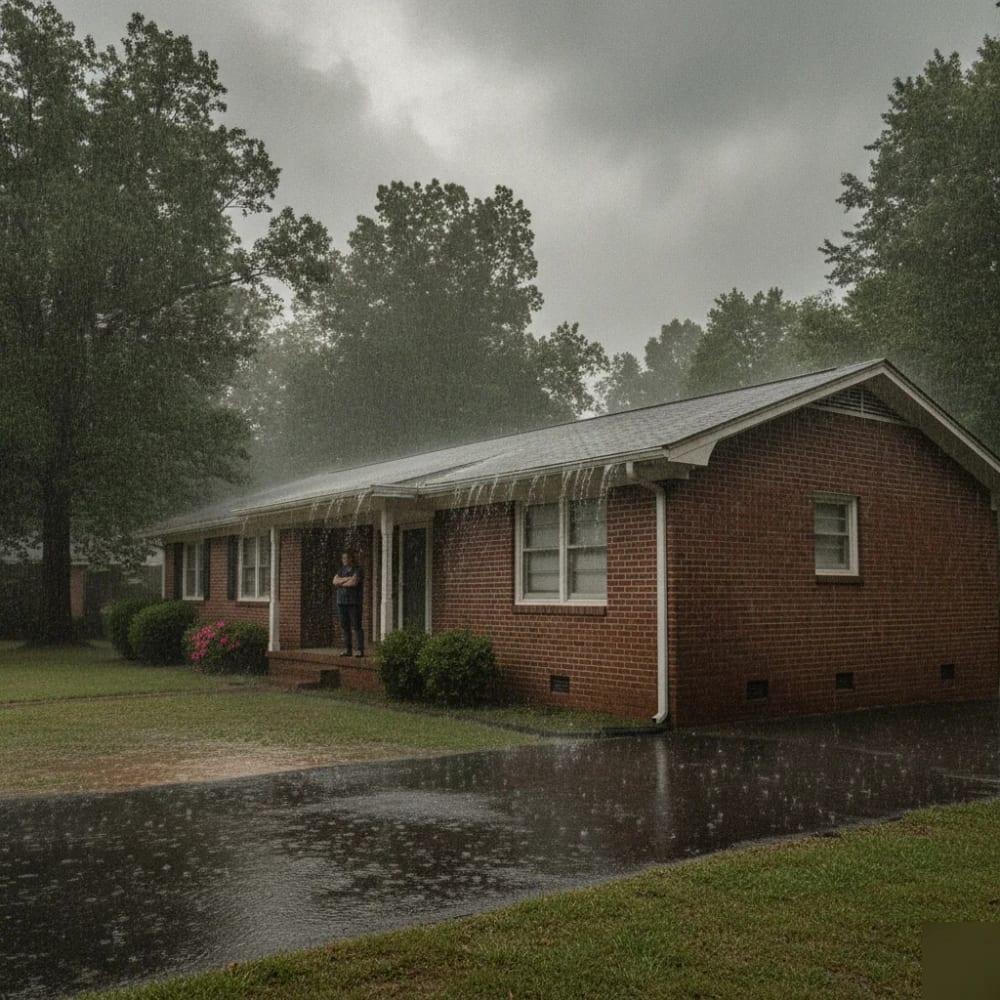
Then a dark ring appeared on the ceiling three days later.
This is trickier. The damage already started before you noticed it. Waiting longer only lets it spread into insulation and framing. Storm damage restoration works best when it starts as soon as you spot the sign, not after the stain grows.
So how do you sort your own situation into one of these three buckets? Ask yourself these questions:
- Is water actively moving across a floor or dripping from a ceiling right now?
- Has the water source been running for more than two hours?
- Do you smell mildew or see discoloration on any surface?
- Is the affected area near electrical outlets or a finished basement?
A yes to any of these means you’re in true emergency territory. Call for water damage restoration the same day, ideally within the hour. A quieter situation, like the slow drip scenario, still deserves a same-day call. It just doesn’t require you to drop everything and evacuate the kitchen.
Here’s the honest truth from years of doing this work in Cobb County homes: homeowners rarely regret calling too early. They regret waiting. And that regret usually shows up as a bigger bill, a longer drying timeline, or a mold problem that wasn’t there before.
If you’re staring at water right now and unsure which scenario fits your home, don’t spend another hour guessing. Reach out to the water damage restoration team and describe what you’re seeing. A quick phone call tells you fast whether this is a now problem or a today problem.