Most Homeowners Insurance Policies Cover Sudden and Accidental Water Damage
Here’s the good news. If the water damage in your Marietta home happened fast and without warning, your homeowners insurance policy will likely help pay for water damage restoration. A pipe bursts at 2 a.m. while you’re sleeping. A washing machine hose snaps while you’re at work. Your water heater fails and floods your garage. These are the kinds of events most standard policies cover.
The key phrase your insurance company uses is “sudden and accidental.”
That means the damage wasn’t something you saw coming. It wasn’t something that built up over weeks or months. It happened out of nowhere, you couldn’t have prevented it. According to the Insurance Information Institute, water damage and freezing claims are among the most common homeowners insurance claims filed each year.
We’ve seen this play out with Marietta homeowners. Someone comes home to a flooded kitchen from a burst pipe. They’re panicking. They don’t know if insurance will help. But once they file the claim and we start the water damage restoration process, the adjuster confirms coverage because the event was sudden. You can find our process on our water damage-restoration page
What “Sudden and Accidental” Looks Like in Real Life
It helps to see some real examples. These are the types of situations where your policy will most likely step in.
- A supply line to your refrigerator cracks and water pools across your hardwood floors overnight
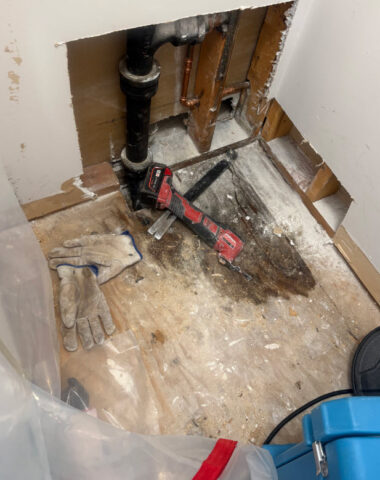
- A burst pipe behind your bathroom wall soaks through drywall and into the subfloor
- Your dishwasher malfunctions mid-cycle and sends water across your kitchen
- A toilet supply valve fails while your family is out of town for the weekend
In each of these cases, the damage wasn’t gradual. It wasn’t from neglect. Your insurer treats these differently than slow leaks or long-term moisture problems, and that distinction matters a lot when you’re filing a claim. Our water damage restoration cleanup page
Your Policy Covers the Damage, Not the Broken Appliance
One thing most people don’t realize until it’s too late. Your insurance pays for the damage the water caused. It does not pay to replace the appliance or fixture that broke. So if your water heater fails, your policy covers the water damage restoration for the floors and walls and anything else affected. But buying a new water heater? That’s on you.
This catches a lot of homeowners off guard.
The same goes for a burst pipe. Insurance covers tearing out wet drywall, structural drying, dehumidification services, and restoring your home. Replacing the pipe itself is a separate cost. Knowing this ahead of time helps you budget and plan when you’re already dealing with a stressful situation.
And here’s something else worth knowing. Most policies in the Marietta area include coverage for “resulting damage” too. That means if a burst pipe leads to mold growth because the moisture sat too long, your mold remediation may also be covered. But only if you acted fast. Insurers expect you to mitigate the damage right away. Waiting days to call for water damage restoration could give your adjuster a reason to reduce or deny part of your claim. Our water restoration page explains why water damage is something you should not ignore, regrdless of insurance.
So the moment you spot water where it shouldn’t be, document everything with photos. Call your insurance company. Then get a water damage restoration team to your home as fast as possible. Speed protects both your home and your claim.
If you’re unsure whether your situation qualifies, our water damage restoration page walks you through what to expect from the process and how to get help right away.
Common Water Damage Scenarios That Homeowners Insurance Does Not Cover
This is where things get painful for homeowners. We see it all the time in Marietta. Someone calls us for water damage restoration after a slow leak destroyed their bathroom floor. They file a claim. Then the adjuster says no.
Not all water damage is treated the same by your policy.
The biggest reason for denial? Lack of maintenance. If your insurer decides the damage happened over time because you didn’t fix something, they’ll deny the claim. A pipe that’s been dripping for months under your kitchen sink is a good example. The water damage restoration itself might cost thousands, but your policy won’t pay if they call it “gradual damage.”
Flood Damage Is Almost Never Covered
Standard homeowners insurance does not cover flood damage. Period. That surprises a lot of people in Marietta, especially near Rottenwood Creek or low-lying areas around the Chattahoochee. Heavy Georgia storms push water into basements and crawl spaces every spring. But your regular policy treats that as a flood event.
You’d need a separate flood insurance policy through FEMA’s National Flood Insurance Program. According to FEMA, just one inch of floodwater can cause as much as $25,000 in damage to a home. Most homeowners don’t carry flood coverage until it’s too late.
Sewer and Drain Backups Need a Rider
Sewage backup cleanup is one of the most common calls we get. A backed-up sewer line can send contaminated water through your drains and into your home. It’s a health hazard. And your base policy almost certainly excludes it.
Some insurers offer a sewer backup rider or endorsement. It’s an add-on you pay extra for. If you don’t have it, you’re covering the full cost of sewage backup cleanup yourself.
Other Scenarios That Typically Get Denied
Here’s a list of water damage situations that most policies won’t cover.
- Mold growth from humidity or poor ventilation that built up over weeks
- Water seeping through your foundation walls or slab
- Damage from a sump pump failure during a storm, unless you have specific coverage
- Leaks you knew about but didn’t repair
Every one of these situations still requires water damage restoration. The water still ruins drywall. It still warps hardwood floors. It still creates conditions for mold. You just end up paying out of pocket.
And here’s what really catches people off guard. Even when damage starts with a covered event, the secondary damage might not be covered. Say a burst pipe floods your living room and your insurer approves the claim. But you wait three days to call for help, mold starts growing in the walls. Your insurer could deny the mold portion because you didn’t act fast enough to mitigate the damage.
That’s a real scenario we’ve walked homeowners through right here in Marietta.
The lesson is simple. Know your policy before you need it. Check for flood exclusions. Ask about sewer backup riders. And if water damage does hit your home, act fast. The quicker you start water damage restoration, the stronger your position with your insurer, the less damage spreads, the lower the final cost.
If you’re not sure what’s covered and you’re already dealing with water in your home, our water damage restoration team can help you understand what steps to take right now to protect both your property and your claim.
Flood Damage and Water Damage Are Treated as Two Separate Perils by Insurers
This is where most Marietta homeowners get blindsided. Your standard homeowners insurance policy draws a hard line between water damage and flood damage. They sound like the same thing. They’re not. And the difference can cost you thousands.
Water damage, in insurance terms, means water that starts inside your home. A burst pipe in your kitchen wall. A washing machine hose that fails. A water heater that leaks across your garage floor. These are “sudden and accidental” events, the ones your policy was built to cover.
Flood damage is different. It refers to water that starts outside and moves in.
Think about a heavy Georgia rainstorm sending water rushing across your yard and into your basement. Or Sope Creek rising after days of rain and pushing water into homes along its banks. That’s flood damage. Your homeowners policy won’t touch it. As mentioned earlier, FEMA warns that only an inch of floodwater in your home can cause up to $25,000 worth of damage. Unfortunately, without a separate flood insurance policy through the National Flood Insurance Program or a private carrier, you’re paying every dollar yourself.
Why This Matters in Marietta
Cobb County has seen its share of flash flooding events. Homes near Rottenwood Creek and in lower-lying areas around the East Cobb, border face real flood risk, even if they sit outside a designated flood zone. We’ve worked with homeowners who were stunned to learn their damage wasn’t covered. The water came from outside. That single detail changed everything about their claim.
Here’s what catches people off guard. A storm can cause both types of damage at the same time. Your roof might leak from wind damage, sending water through your ceiling. That part could be covered. But if that same storm also pushes groundwater into your crawl space, that portion likely isn’t covered under your standard policy.
Two events. One storm. Two very different insurance outcomes.
So how do you know which type of water damage restoration you’re dealing with? Start by asking yourself these questions before you call your insurer.
- Did the water come from inside your home, like a pipe or appliance?
- Did the water enter from outside due to rising water levels or surface runoff?
- Was there storm damage to your roof or siding that allowed rain inside?
- Do you carry a separate flood insurance policy?
Your answers shape the entire claims process. They also determine what kind of water damage restoration work gets reimbursed and what comes out of pocket.
We see this confusion play out all the time. A homeowner calls after a big storm, assumes everything is covered, then learns the hard way that their basement flooding cleanup falls under a policy they never purchased. It’s a gut punch, we get it.
The best move is knowing your coverage before disaster hits. Pull out your policy. Read the exclusions page. If you don’t have flood insurance and your home sits anywhere near a creek or low area in Marietta, talk to your agent now. Not after the next storm.
And if you’re already dealing with water in your home, don’t wait on the insurance answer to start drying things out. Mold can begin growing within 24 to 48 hours. Getting a water damage inspection and starting moisture detection and removal right away protects your home regardless of what your policy says. If you need help understanding what you’re facing, our water damage restoration team can walk you through the process.
Frequently Asked Questions
Does homeowners insurance cover water damage from a burst pipe in Marietta?
Yes, a burst pipe is one of the most commonly covered water damage events under a standard homeowners policy. Insurers look for damage that was sudden and accidental. A pipe that fails without warning fits that description. Your policy will likely pay for drywall removal, structural drying, and restoration. It will not pay to replace the pipe itself. Act fast. Marietta winters can cause pipes to freeze and burst, and delays in calling for restoration can give your adjuster a reason to reduce your payout.
What is the difference between flood damage and water damage on a homeowners policy?
Flood damage and water damage are treated as two separate things by insurance companies. Water damage comes from inside your home, like a burst pipe or a failed appliance. Flood damage comes from outside, like storm runoff or rising water from Rottenwood Creek or low-lying areas near the Chattahoochee. Standard homeowners policies cover the first type. They almost never cover the second. You need a separate flood insurance policy through FEMA’s National Flood Insurance Program for that protection.
What counts as gradual damage, and why does it matter for my insurance claim?
Gradual damage is water damage that built up slowly over time, often because of a slow leak or deferred repair. Insurance companies use this term to deny claims they believe the homeowner could have caught earlier. A pipe dripping under your sink for months is a common example. If your adjuster decides the damage was gradual, your claim gets denied. That’s true even if the final repair bill is large. Knowing the difference between sudden and gradual damage before you file can save you from a frustrating surprise.
Does my homeowners insurance cover mold that grows after water damage?
Mold remediation may be covered if it resulted from a covered water damage event and you acted fast. Most policies include what’s called resulting damage coverage. So if a burst pipe led to mold because moisture sat in your walls, that mold removal could be part of your claim. But if you waited days to call for water damage restoration, your insurer may argue you didn’t mitigate the damage. Speed matters. Document the damage with photos right away and call for help immediately. For a full breakdown of the restoration process, visit our water damage restoration page.
Do Marietta homeowners need a separate rider for sewage backup coverage?
Yes, sewage backup is not covered under a standard homeowners policy. You need to add a sewer backup rider or endorsement to your existing policy. Without it, you pay the full cost of sewage backup cleanup yourself. This matters in Marietta because older neighborhoods can have aging sewer lines that back up during heavy Georgia storms. Sewage backup is a health hazard. The cleanup involves contaminated water. Checking your policy now, before something happens, is a smart move.
What should I do immediately after water damage to protect my insurance claim?
Take photos of everything before you move or remove anything. Document the source of the water and all affected areas. Call your insurance company right away to report the damage. Then call a water damage restoration team to start drying out your home. Insurers expect you to act fast to limit further damage. Waiting too long can give your adjuster a reason to reduce your claim. In Marietta, where summer humidity can accelerate mold growth, getting professional drying equipment in place within the first 24 hours makes a real difference.