Remediation vs. Restoration: The Core Difference Explained
Water damage remediation is the work that stops the damage and makes your home safe to live in. Restoration is the work that repairs and rebuilds what the water ruined. Most water losses in Marietta need both phases, and remediation has to come first.
People use these two words as if they mean the same thing. They describe two different stages of one job. Knowing the difference helps you ask the right questions when a crew shows up at your door.
Water damage remediation deals with the water and everything it has touched. The goal is to stop the problem from getting worse. A Relief Remediation crew finds the source and makes sure it is stopped. Then the crew pulls out standing water and dries the structure to safe moisture levels.
- Stop the water source or confirm that a plumber has shut it off.
- Extract standing water from floors and carpet pads.
- Remove wet materials that can’t be saved, such as soaked drywall or insulation.
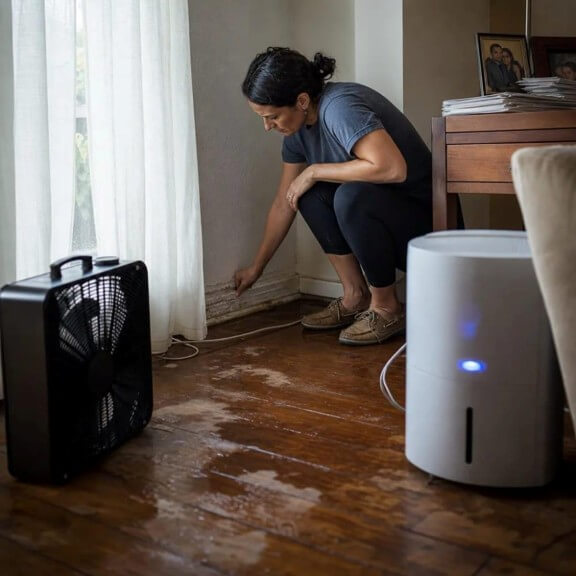
- Set up air movers and dehumidifiers to dry the framing and subfloor.
- Clean and disinfect any area that touched contaminated water.
- Take moisture readings each day until the materials reach a dry standard.
Trained crews follow the IICRC S500 standard for this drying work. It sets the benchmarks we use to decide when a wall or floor is dry enough for repairs.
Remediation is about the safety of your family. The EPA notes that mold can start to grow on wet materials within 24 to 48 hours. That short window is the reason a fast response is so important.
Restoration begins once the structure is dry and clean. This phase puts your home back the way it looked before the leak. You will see most of the visible results in these areas:
- Hanging and finishing new drywall
- Replacing baseboards and trim
- Refinishing or replacing hardwood floors
- Installing new carpet and pad
- Painting walls and ceilings to match the rest of the room
Remediation has to come first.
We worked a job last spring in a split-level home off Roswell Road in Marietta. A supply line behind the washing machine had leaked for two days. The homeowner wanted new flooring installed that same week. But the subfloor still read wet on our meters. We held off on repairs and ran drying equipment for three more days. New floors laid over that damp subfloor would have cupped and hidden mold underneath.
Marietta summers are humid. Moist air slows drying and gives mold a better chance to grow. Many older homes near Marietta Square sit over crawl spaces that hold moisture. These homes need extra attention during remediation.
Many companies use the word restoration to describe the whole job. That is fine as long as both phases are part of the plan. Ask your contractor how they will handle drying before they talk about rebuilding. And ask to see the moisture readings. A good crew will be glad to show you.
Why These Two Phases Are Usually One Continuous Job
Many homeowners in Marietta expect two different crews to show up on two different days. A well-run water damage job doesn’t work that way. Remediation and restoration are two phases of the same project. One crew can carry your home through both phases without a break.
Remediation stops the damage and dries the structure. Restoration puts your home back the way it was. The second phase depends on how well the first phase went. New drywall can trap moisture behind it if the drying was rushed. The EPA notes that mold can start to grow within 24 to 48 hours on wet materials.
We see this problem in Marietta homes every year.
After a water heater leak, a finished basement may look ready for repairs before the framing and bottom plates are fully dry. If new drywall is installed before those materials reach safe moisture levels, trapped moisture can lead to odors or damage behind the finished surface. Verifying dryness before reconstruction helps avoid reopening completed work later.
A single continuous job keeps the handoff clean. The people who dry your home are the same people who rebuild it. This is how the phases flow together on a typical job.
- We stop the water source and pull out any standing water.
- We remove wet materials that can’t be saved, such as soaked carpet pad.
- We set up drying equipment and take moisture readings each day.
- We confirm the framing and subfloor are dry before any rebuild starts.
- We replace the drywall and flooring and paint to match the rest of your home.
Step four is where many split jobs go wrong. Our crew knows where the wettest spots were in your home. We know which walls took the longest to dry. That record carries straight into the rebuild with no gaps.
Why should you care about one crew doing both phases? You get one point of contact for the whole project. You won’t have to explain your loss to a second company. Your insurance adjuster gets one set of photos and moisture logs. That clear paper trail can help your claim move with fewer questions.
Local conditions play a part too. Marietta’s summer humidity slows drying inside your home. Many older houses near the Marietta Square have plaster walls and crawl spaces that hold moisture. A crew that knows these homes can plan the drying and the rebuild as one schedule.
We tell every client the same thing on the first day. The rebuild waits until the moisture readings show the structure is dry. We use meters to make that call so your new walls stay healthy for years. Our water damage restoration service in Marietta covers both phases under one plan.
That same focus carries through the practical water damage restoration marietta ga | 60-min guidance our team provides to local families.
How Moisture Detection Decisions Shape Your Repair Scope
Your repair scope depends on what the moisture readings show. Water moves into places you can’t see. It soaks into drywall and wicks up into wood framing. It can sit under your flooring for weeks without a stain. The readings we take on the first visit decide how much of your home needs work.
Remediation and restoration both start with this step. Remediation removes the water and the materials that can’t be saved. Restoration rebuilds what was taken out. Good moisture detection keeps both jobs as small as they can be.
A missed wet spot can turn a small repair into a large one.
We use several tools to find hidden water in Marietta homes. Each one gives us a different piece of information. We read them together before we make any cuts.
- Pin meters test the moisture inside wood and drywall.
- A pinless meter scans large wall areas without making holes.
- Thermal cameras can show cool spots where water may be hiding.
- Hygrometers measure the humidity in the air of each room.
No tool tells the full story on its own. We compare every reading to a dry area of your home. That dry spot gives us a baseline for your materials.
Once we have readings, we make our decisions in a set order. Each step affects what gets removed and what gets dried in place.
- We map the edges of the wet area on each wall and floor.
- We check if the water is clean or contaminated.
- We decide which materials can dry in place.
- We mark what has to come out, such as swollen baseboards or soaked insulation.
- We set up drying equipment and take new readings each day.
The type of water changes the plan. The IICRC S500 standard sorts water into three categories based on contamination. Water from a sewage backup falls in the worst category. Porous materials that touch it can’t be saved in most cases.
So why not skip the readings and tear out everything that looks wet? Removing too much adds time and work to your rebuild. Removing too little leaves hidden moisture behind. That moisture can lead to mold growth inside your walls.
We worked on a home off Powder Springs Road last spring. A water heater had leaked into a finished basement. The homeowner saw a small wet patch on the carpet. Our thermal camera showed water had wicked 18 inches up the drywall behind a couch. We found it on day one. That let us cut a two-foot strip instead of removing whole walls. The rest of the room dried in place over four days.
Local conditions play a role too. Marietta summers bring high humidity. Many homes near Kennesaw Mountain have crawl spaces or finished basements. Humid air slows drying in those spaces. It can push moisture back into wood that tested dry the day before.
We see homeowners worry that every stain means a full tear-out. That isn’t the case in most homes we visit. Daily readings tell us when your home is dry. We don’t pull our equipment until the numbers match the baseline. That final check protects your restoration work from problems later on.
Frequently Asked Questions
Are remediation and restoration the same?
No, they are different phases of one project. Remediation stops the water source, removes damaged material, and dries your home. Restoration repairs and rebuilds what the water ruined, including drywall and flooring. Most Marietta homes need both steps in order. A crew that handles the full process can move between phases without a break in your service.
What is the difference between water damage remediation and restoration?
Remediation deals with the water itself, and restoration deals with the repairs after. During remediation, a crew extracts water, removes materials that can’t be saved, and dries your home to a safe level. Restoration begins once those moisture readings confirm the structure is dry. This covers drywall, flooring, and paint. Our water damage restoration service in Marietta manages both stages under one plan.
Who pays for remediation?
Payment usually depends on the cause of the water damage and your insurance policy. Many policies cover sudden water losses, such as a burst pipe or appliance leak. Coverage can vary for slow leaks or flooding from outside sources. Ask your insurer how your specific policy handles water damage claims. A clear moisture record from your remediation crew can support your claim documentation.
How do moisture readings decide what gets torn out versus dried in place?
Readings from moisture meters and thermal cameras show how far water has traveled into walls and floors. A crew compares these readings to a dry area of your home to set a baseline. Materials that test above that baseline often need removal. Materials that dry within a normal range can often stay in place. This process keeps repair work limited to the areas that need it.
How does Marietta’s climate affect water damage remediation?
Marietta’s humid summers slow the drying process after a water loss. High humidity in the air makes it harder to pull moisture out of drywall and framing. Many older homes near the Marietta Square also sit on crawl space foundations, which hold moisture longer than a slab. These conditions mean drying often takes extra days compared to drier climates. A crew familiar with local homes can plan for this before starting repairs.
What is a common misconception about water damage remediation and restoration?
Many homeowners think two separate companies handle cleanup and rebuilding work. In practice, one qualified crew can manage both phases from start to finish. This keeps your moisture records and repair plan connected across the whole project. It also means you talk to one point of contact instead of two. Splitting the work between different companies can lead to gaps, such as new drywall installed over material that wasn’t fully dry.