Water damage repair costs in Marietta and surrounding areas typically run about $1,500–$6,000 for most residential water damage jobs. But it can also run as high as $10,000+. This guide breaks down what goes into the cost.
What Drives Water Damage Repair Costs
No two water jobs cost the same. We’ve walked into homes near Marietta Square with a small supply line leak that turned into a five-figure job. And we’ve seen a flooded basement that only needed a few hours of extraction and drying. The final number depends on a handful of real factors, not luck.
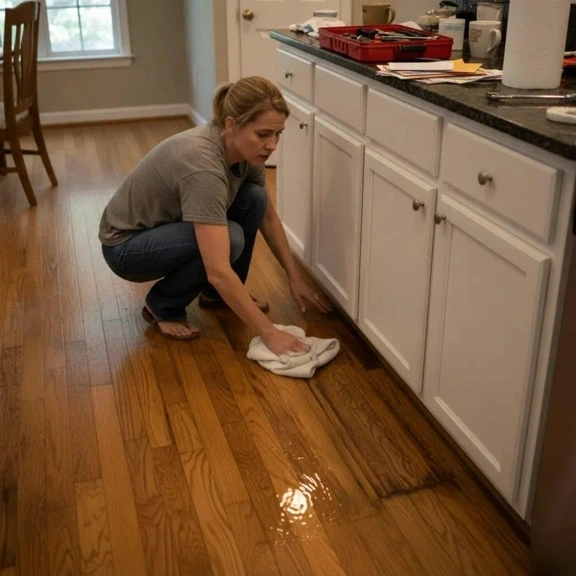
The type of water matters more than most homeowners realize. Clean water from a burst pipe is the easiest to handle. Gray water from a washing machine or dishwater carries more risk. Black water from sewage backup or storm flooding is the most serious. It carries bacteria and waste. That water touches everything it reaches, so removal and disinfection take more time, more gear, and more labor.
Time is the second big driver. Water that sits for six hours behaves differently than water that sits for six days. The longer it soaks into drywall, subfloor, and framing, the more material has to come out instead of just drying in place. We measure this in hours, not days, on every call.
The Factors That Move the Number Most
- Source and category of water, clean, gray, or black water each need different handling
- How long the water sat before anyone called for help
- Square footage and number of rooms affected
- Materials involved, hardwood floors, carpet, and drywall all dry and repair differently
- Whether mold has already started growing
Marietta homes bring their own wrinkle into this. Older houses near Kennesaw Mountain and the historic district often still have original hardwood floors and plaster walls. Those materials react slower to moisture but can hide damage deep inside for weeks. Newer builds around East Cobb tend to use engineered flooring and drywall that soak up water fast but also dry out faster once the right equipment is running. So the materials in your home change how the whole job gets scoped.
Georgia’s humid summers add another layer nobody thinks about until it bites them. High humidity slows drying no matter how good the fans are. A basement flood in July behaves differently than the same flood in January. We factor local humidity into every drying plan, because guessing wrong means mold shows up in a week instead of never showing up at all.
Square footage plays a role too, but it’s not just about the size of the flooded area. A small bathroom leak that traveled through a wall cavity and into a hallway closet touches more materials than a bigger open room with water sitting on tile. Where the water traveled matters as much as how much water there was.
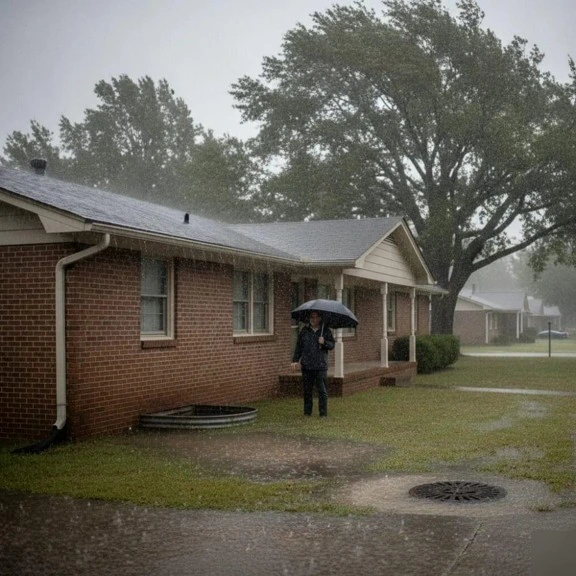
One more thing drives cost more than people expect: what’s underneath the surface. Carpet water damage might look bad on top, but if the pad and subfloor are already breaking down, that’s a different scope entirely. Ceiling water damage is the same story in reverse. A small brown stain up top can mean a soaked attic insulation layer nobody can see from the room below.
This is why a real water damage inspection matters before anyone assumes what the job will take. Moisture readings tell the truth even when walls look dry to the eye.
Mitigation vs. Repair: Two Separate Cost Phases
Most homeowners in Marietta think water damage cleanup is one job. It’s two. And knowing the difference changes how you read every invoice you get.
Mitigation happens first. This is the emergency phase. Water extraction, drying out your walls, running dehumidifiers, pulling up soaked carpet before mold gets a foothold. Mitigation stops the damage from spreading. It doesn’t fix anything. It just keeps a bad day from becoming a much worse month.
Repair comes after. Once your home is dry and stable, the rebuild starts. Drywall goes back up. Hardwood floors get replaced or refinished. Paint, trim, baseboards, sometimes cabinets. This phase restores your home to how it looked before the pipe burst or the storm rolled through.
Here’s why this split matters for your wallet and your sanity.
- Mitigation is usually billed by scope and urgency, not by finished square footage.
- Repair is billed by materials and labor, closer to a renovation quote.
- Insurance often treats these phases differently, so separating them helps your claim move faster.
- Skipping mitigation to save money almost always raises repair costs later.
We’ve walked into homes in East Cobb where a homeowner tried to dry things out with box fans for three days before calling anyone. By the time we got there, the drywall was soft and mold had already started behind the baseboards. What could’ve been a same-day extraction turned into a full drywall water damage restoration job. That delay didn’t save money. It multiplied the work.
Think of it like a broken bone. Mitigation is the splint in the ambulance. Repair is the surgery and physical therapy after. You need both. But you can’t skip the first one and expect the second one to go smoothly.
A lot of Marietta homes sit on crawl spaces, and that changes the math too. Moisture that pools under the house doesn’t just sit there quietly. It climbs into subfloors and framing. So mitigation in a crawl space often includes moisture detection and removal work before anyone talks about repairing the floor above it.
One more thing worth knowing. Some jobs never make it to the repair phase at all. If mitigation happens fast, within the first 24 to 48 hours, you can sometimes avoid replacing materials altogether. That’s the goal every time. Dry it out before it has to be torn out.
So when you’re comparing quotes or trying to understand a bill, ask which phase you’re looking at. A mitigation invoice and a repair invoice are answering two different questions.
We walk every Marietta homeowner through this split before we touch anything in the house. You should always know what phase you’re paying for and why.
Water Damage Categories and How They Change the Scope
Not all water is the same. That’s the first thing you need to understand about how water damage repair cost gets calculated in Marietta. A burst pipe upstairs and a sewage backup in your basement are not the same job, even if the puddle looks the same size on your floor.
Restoration crews sort water into three categories. This isn’t a technicality. It changes everything about how the job gets done, and it drives most of the cost swing you’ll see in any estimate.
Category 1: Clean Water
This is water from a clean source. Think a supply line to your washing machine, or a water heater leak. It hasn’t touched anything contaminated yet. If your crew responds fast, drying often stops there. No demolition needed. Your wallet feels this difference immediately.
But clean water doesn’t stay clean forever. Give it 24 to 48 hours sitting in your drywall or under your carpet pad, and it starts picking up contaminants from the materials around it. That clean water problem quietly becomes something bigger. We’ve walked into homes where a homeowner waited three days to see if it would dry on its own. It didn’t. And the job that could have cost far less had already grown teeth.
Category 2: Gray Water
This water carries some contamination. Dishwasher overflow, aquarium leaks, or water that’s traveled through a wall before reaching your living room falls here. It needs more careful handling. Some materials that touched it can be cleaned and dried. Others, like soaked carpet padding, usually can’t be saved.
Gray water situations often show up after storm damage restoration calls too, when rainwater picks up debris and dirt on its way into your home.
Category 3: Black Water
This is the one that changes everything. Sewage backup cleanup falls here. So does flood water that’s come in from outside, carrying bacteria, chemicals, or waste. Black water is not safe to touch without protective gear. Full stop.
Every material that black water touches has to be treated as contaminated. Drywall gets cut out. Carpet gets removed, not cleaned. Even hardwood floor water damage in this category often means the flooring comes up entirely, because the risk of what’s trapped underneath isn’t worth guessing about.
This is where cost jumps the most. You’re not just drying a room anymore. You’re removing materials, disinfecting surfaces, and rebuilding parts of your home from scratch.
Why This Matters for Your Estimate
Here’s the honest truth: two homes with the same size flooded room can have wildly different repair costs, based only on which category of water caused it. A tech who shows up and doesn’t test the water, or skips checking how far moisture has traveled into your walls, is setting you up for a bad surprise later.
- Category 1 jobs often focus on extraction and drying, with minimal material loss
- Category 2 jobs mix drying with some targeted removal of soaked materials
- Category 3 jobs require removal, disinfection, and often partial rebuilding
So before anyone gives you a number, ask what category your water falls into. It’s the single biggest factor behind your final bill, more than square footage, more than which room got hit.