
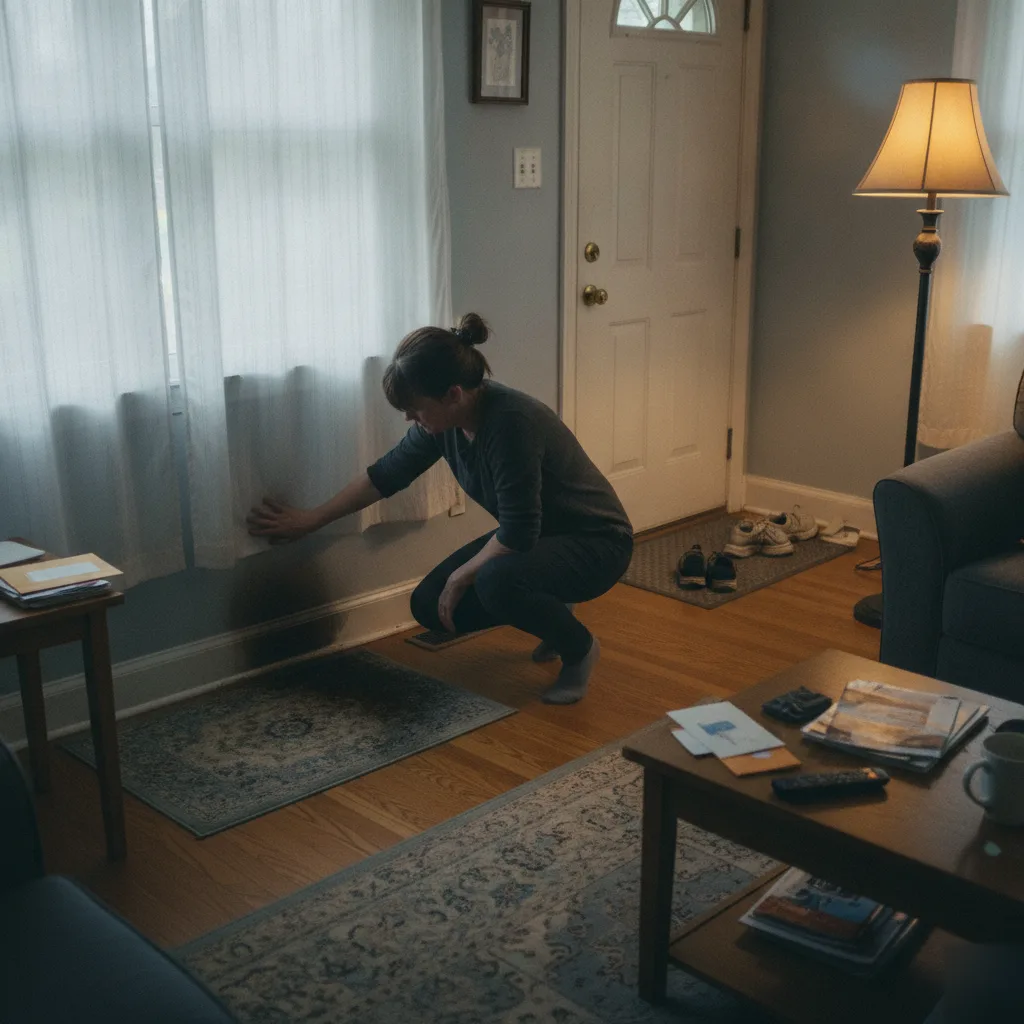
Most people think water damage restoration means someone shows up with a wet vac. That’s not even close. The process is layered. It takes real equipment and a clear plan to bring your home back to a safe condition.
Here’s what the full process looks like when done right.
- Water damage inspection. A trained crew walks through your home and checks every affected area. They use moisture detection tools to find water hiding behind walls and under floors. You can’t fix what you can’t find.
- Emergency water extraction. Standing water gets removed fast. Industrial pumps pull out hundreds of gallons in a short time. The longer water sits, the worse your damage gets. Speed matters here more than anywhere else in the process.
- Structural drying services. After extraction, your walls and subfloors still hold moisture. Commercial dehumidifiers and air movers run for days to pull that trapped water out. We see homes near Switzer Library in Marietta where older plaster walls hold moisture for over a week without proper drying.
- Cleaning and sanitizing. Floodwater carries bacteria. Sewage backups carry worse. Every surface that touched contaminated water needs disinfection. This step protects your family’s health.
- Restoration and repair. Damaged drywall gets replaced. Warped hardwood floors get addressed. Carpet that can’t be saved gets removed. The goal is getting your home back to the condition it was in before the water hit.
That’s the short version. But each step has details that matter.
Take moisture detection. We’ve pulled baseboards off walls in Marietta homes and found soaking wet insulation that looked bone dry from the outside. Without the right meters and thermal cameras, that moisture stays hidden. Hidden moisture leads to mold growth within 24 to 48 hours according to the EPA.
And the drying phase isn’t just “turn on some fans.” Dehumidification services require monitoring. Crews check moisture readings daily. They adjust equipment placement based on how your home is responding. A slab foundation dries different than a crawl space. The brick homes common in older Marietta neighborhoods hold heat and moisture in ways that newer construction doesn’t.
One thing most people don’t realize until it’s too late is that water travels. A burst pipe in your kitchen can soak the subfloor and show up as ceiling water damage in the room below. We’ve seen a single appliance leak cause problems in three rooms because the water followed the path of least resistance through the floor joists.
So why does all this matter to you?
Because skipping any step creates bigger problems later. Incomplete drying leads to mold. Mold leads to air quality issues. And those issues can affect your family for months before anyone connects the dots.
Water damage restoration isn’t one task. It’s a sequence that has to happen in order, with the right tools, on the right timeline. If you want to understand how this process applies to your specific situation, our water damage restoration page breaks it all down.
The work isn’t glamorous. But when it’s done right, you get your home back. That’s what this is all about.
How Serious Is This? A Quick Scenario Check
Not all water damage looks the same. And not all of it needs the same response. The trick is knowing what you’re dealing with before it gets worse.
Let’s walk through a few real situations we run into near Switzer Library in Marietta. These will help you figure out where you stand.
Scenario One: A Small Leak Under the Kitchen Sink
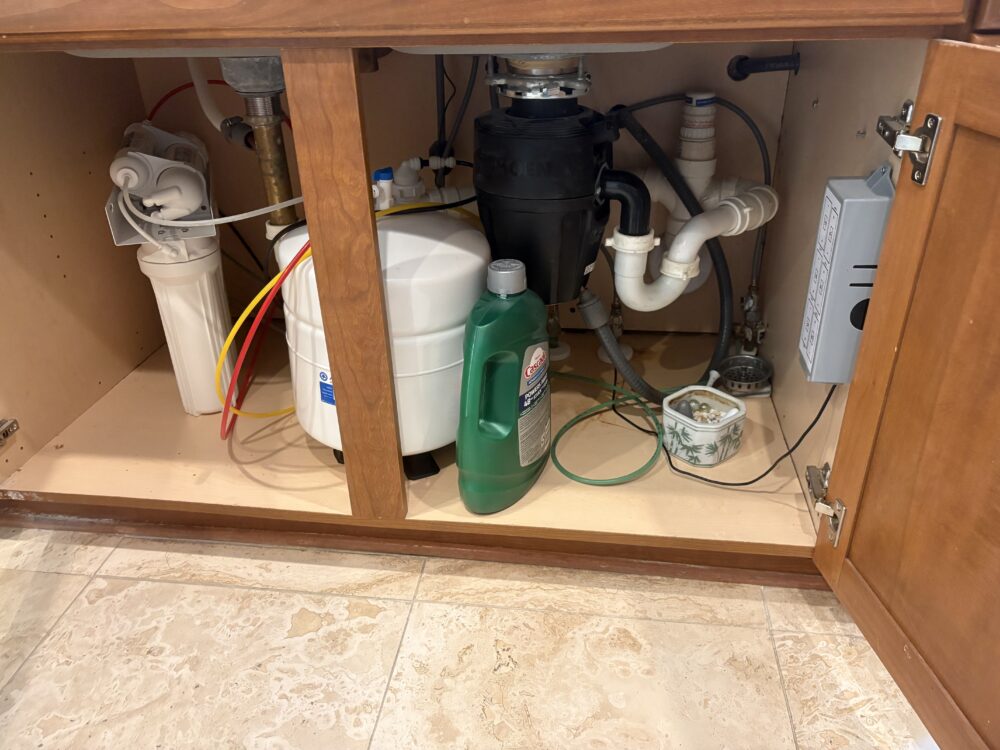
You open the cabinet and the wood is damp. Maybe there’s a faint smell. This feels minor. But here’s what most people don’t realize. That moisture has been sitting there for days or weeks. The subfloor underneath could be soft. Mold could be growing behind the wall where you can’t see it.
We see this mistake all the time. A homeowner wipes it up and moves on. Three months later they’ve got a mold problem that’s ten times harder to fix.
A water damage inspection at this stage can save you real money. It tells you what’s going on behind the surfaces.
Scenario Two: A Burst Pipe in the Bathroom
This one’s obvious. Water is everywhere. Your floor is soaked. The ceiling below might be dripping. You need emergency water extraction right away.
Every hour matters here. The Institute of Inspection Cleaning and Restoration Certification says mold can start forming within 24 to 48 hours of water exposure. That clock starts the second the pipe bursts.
Shut off your water main. That’s step one. Then call for burst pipe cleanup before the damage spreads into walls and flooring.
Scenario Three: Stains on the Ceiling After a Storm
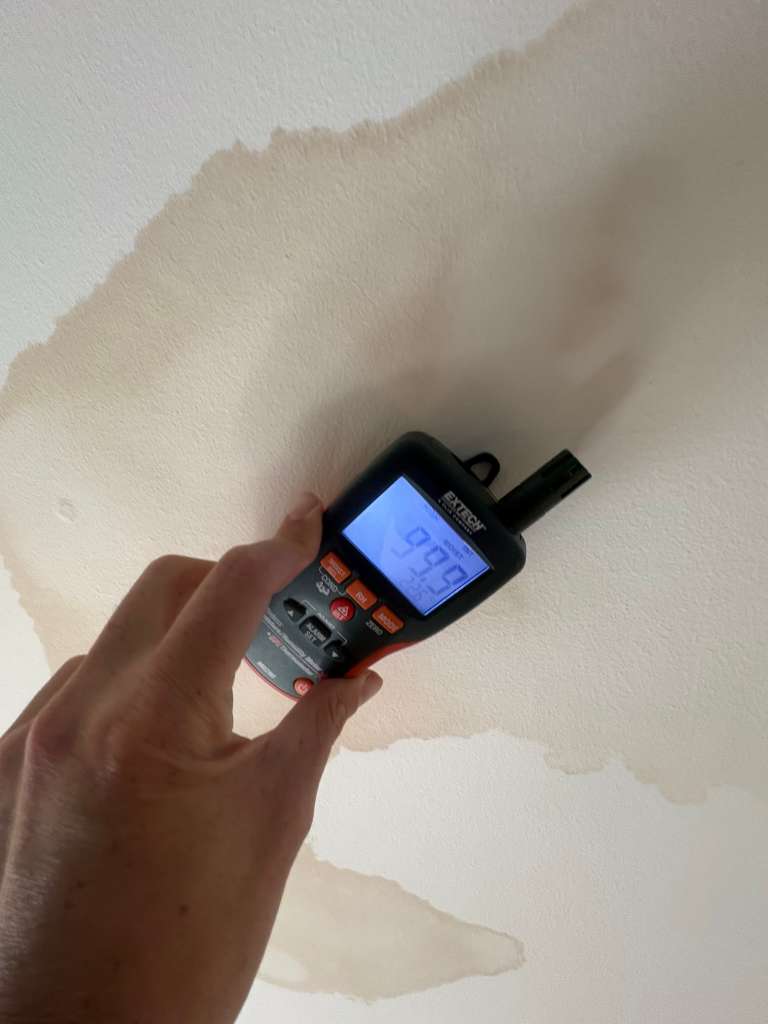
Marietta gets its share of heavy rain. Older homes near the Marietta Square and surrounding neighborhoods often have aging rooflines. A storm pushes water through a gap you didn’t know existed, the ceiling starts to show brown spots.
Those stains mean water is pooling above your drywall. It’s not just cosmetic. The drywall gets weak. It can sag. It can collapse if enough water builds up.
Storm damage restoration handles this kind of thing. But waiting to “see if it dries out” is a gamble you don’t want to take.
How Do You Know It’s Serious?
Ask yourself these questions.
- Can you smell something musty even after cleaning?
- Is the affected area larger than a few square feet?
- Has the water been sitting for more than a few hours?
- Is the water coming from a sewage line or an unknown source?
If you answered yes to even one of those, you’re past the DIY stage. Sewage backup cleanup in particular carries health risks that need professional handling.
Here’s the thing. Water damage restoration isn’t just about removing water. It’s about finding where moisture hides. It’s about protecting the structure of your home. And it’s about stopping mold before it takes hold.
Most people underestimate the problem. That’s normal. You can’t see inside your walls. You can’t measure humidity in your crawl space with your hand. Moisture detection and removal equipment does what your eyes can’t.
So if something feels off in your home, trust that feeling. A quick assessment now prevents a painful surprise later. You can learn more about the full water damage restoration process on our main service page and take the next step from there.
Why ‘Dry to the Touch’ Doesn’t Mean the Job Is Done
Your carpet feels dry. The walls look fine. So the water damage restoration must be done, right?
Not even close.
This is the single biggest mistake we see homeowners make near Switzer Library and throughout Marietta. They touch a surface and it feels normal. They assume the problem is solved. But water doesn’t just sit on top of things. It moves down. It moves sideways. It hides.
Think about what’s behind your drywall. Wood framing. Insulation. Electrical wiring. Water travels along those materials for hours after the visible puddle is gone. A floor that feels dry on top can hold moisture in the subfloor for days. We’ve pulled up carpet in homes off Church Street that felt bone dry and found standing water underneath the pad.
What Moisture Does When You Can’t See It
Hidden moisture is where the real damage happens. The surface dries fast because air hits it first. But deeper layers don’t get that airflow. They stay wet.
And wet building materials do two things that cost you money.
- They weaken over time. Wet drywall loses its structure. Wet wood framing can warp and lose its load-bearing strength within 48 to 72 hours.
- They grow mold, which can bring real health risks tied to flood-related mold exposure. Once it takes hold behind a wall, you’re looking at a much bigger job than water damage restoration alone.
- They create odor problems. That musty smell weeks later? That’s moisture you missed. It gets trapped and breaks down organic material inside your walls and floors.
Most people don’t realize this until the smell shows up or the paint starts bubbling.
How Professionals Check What Your Hands Can’t Feel
Your fingers can tell you about the surface. That’s it. Professional water damage restoration uses moisture detection tools that read what’s happening inside the material itself.
- A moisture meter gets pressed against walls and floors. It reads the moisture content inside the material, not just on top.
- Thermal imaging cameras show temperature differences behind surfaces. Wet areas show up cooler than dry areas. This reveals hidden pockets you’d never find by touch.
- Readings get mapped across the affected area. This creates a clear picture of where moisture remains.
- Dehumidification equipment and air movers get placed based on those readings. The drying targets the actual wet spots.
- Follow-up readings happen over several days. The job isn’t done until the numbers say it’s done.
We’ve had homeowners in Marietta tell us they ran fans for a week and thought everything was fine. Then three months later they found black mold behind a bathroom vanity. The fan dried the surface, the hidden moisture stayed put.
Here’s something that matters for older homes near the Marietta Square area. Many of these houses have plaster walls instead of modern drywall. Plaster absorbs water differently. It holds it longer. A plaster wall can feel dry to your hand while holding dangerous levels of moisture deep inside for weeks.
So what should you do? Trust the data over your senses. If you’ve had any water event in your home, a proper water damage inspection with moisture detection equipment is the only way to know the real situation. Your hands can’t do what a meter can do.
If you’re dealing with water damage right now or you had an issue weeks ago that still doesn’t feel right, our water damage restoration page walks you through what a full response looks like. Getting the right answer early saves you from a much harder problem later.