Yes. If water soaked into the floors or walls, you need to be certain that everything is completely dry. That’s not something you can tell by sight or touch.
Why a Dry-Looking Floor Doesn’t Mean the Damage Is Over
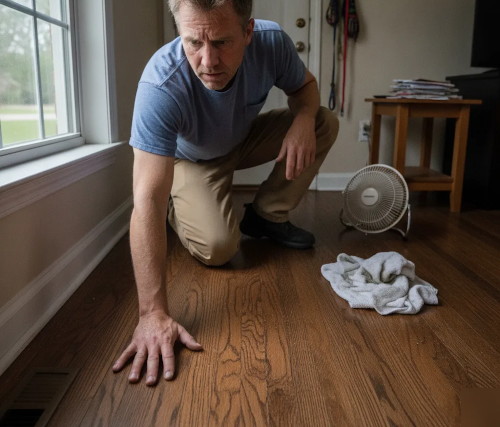
Your floor looks fine. It feels dry. You might think the water damage restoration is done. But what you can’t see is the real problem.
Water doesn’t just sit on top of things. It moves down. It moves sideways. It soaks into subfloor layers, seeps under baseboards, and pools inside wall cavities. A dry surface tells you almost nothing about what’s happening underneath.
We see this mistake all the time in Marietta homes near Elizabeth Porter Park. A homeowner mops up standing water after a burst pipe or appliance leak. The floor dries in a day or two. They assume it’s handled. Three weeks later they notice a musty smell. By then, mold has already started growing inside the subfloor.
What’s Hiding Beneath the Surface
The real damage lives where you can’t reach it. Here’s what we find during water damage inspection on floors that look dry to the naked eye.
- Moisture trapped between hardwood planks and the plywood subfloor, causing warping that won’t show for days
- Saturated carpet padding that holds water like a sponge even after the carpet itself feels dry
- Standing water pooled on top of concrete slabs beneath laminate or vinyl flooring
- Damp drywall at the base of walls where water wicked upward through capillary action
According to the Institute of Inspection Cleaning and Restoration Certification, moisture can remain trapped in building materials for weeks without proper structural drying services. That hidden moisture is what feeds mold growth and causes long-term structural damage.
So how do you know if your floor is dry? You can’t tell by touching it.
Why Moisture Detection Matters
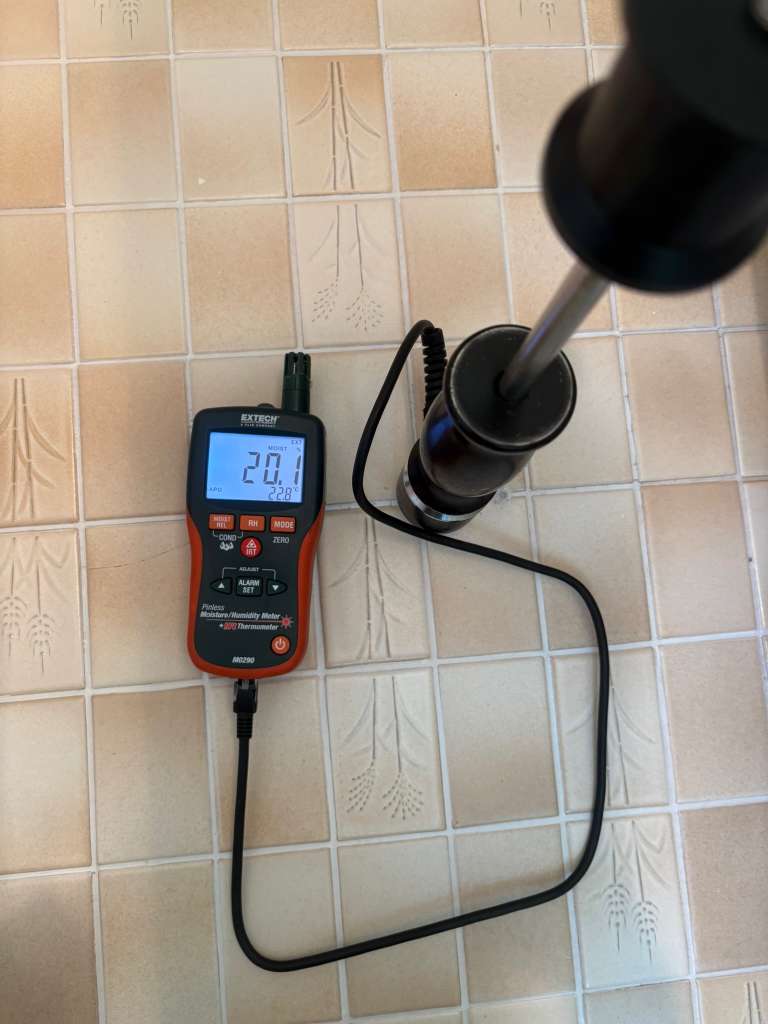
Professional moisture detection and removal uses tools you don’t have at home. Infrared cameras show temperature differences in walls and floors. Those temperature differences reveal trapped moisture. Pin-type and pinless moisture meters give exact readings from inside the material itself.
A floor might read 6% moisture on the surface. But the subfloor underneath could be at 25%. That gap is the danger zone.
We’ve pulled up carpet in homes across Marietta that felt bone dry on top. The padding underneath was soaked through. The homeowner had no idea, they’d been walking on it for a week. That’s a week of moisture feeding into the subfloor and the bottom of the drywall.
And here’s the part most people don’t realize until it’s too late. Mold can begin growing within 24 to 48 hours of water exposure. By the time you smell it, it’s already established. A quick mop-up doesn’t stop that clock.
What Should You Do Instead
If your home had standing water for any amount of time, a visual check isn’t enough. You need actual moisture readings. You need dehumidification services running long enough to pull moisture from deep inside the materials.
The goal isn’t a dry-looking floor. The goal is verified dry readings at every layer. Surface. Subfloor. Wall base. Carpet padding.
If you’ve had a recent leak or flood in your home, don’t trust your eyes on this one. Get a proper water damage inspection before you assume the problem is gone. Our water damage restoration page walks you through what a full assessment looks like and how to get started.
A dry floor can fool you. The moisture meter won’t.
What Happens During Professional Water Damage Restoration
Most people have never been through this before. That’s normal. Here’s what the process looks like so you know what to expect.
- Water damage inspection and moisture detection. A trained crew shows up and checks every surface. They use infrared cameras and moisture meters to find water hiding behind walls and under floors. You can’t fix what you can’t find, so this step matters a lot.
- Emergency water extraction. Standing water gets removed fast. Industrial pumps pull hundreds of gallons out of your home in a short time. The longer water sits, the worse things get.
- Structural drying and dehumidification. High-powered air movers and dehumidification equipment run for days. This pulls moisture out of drywall, studs, and subfloor materials. We monitor readings every day until levels drop back to normal.
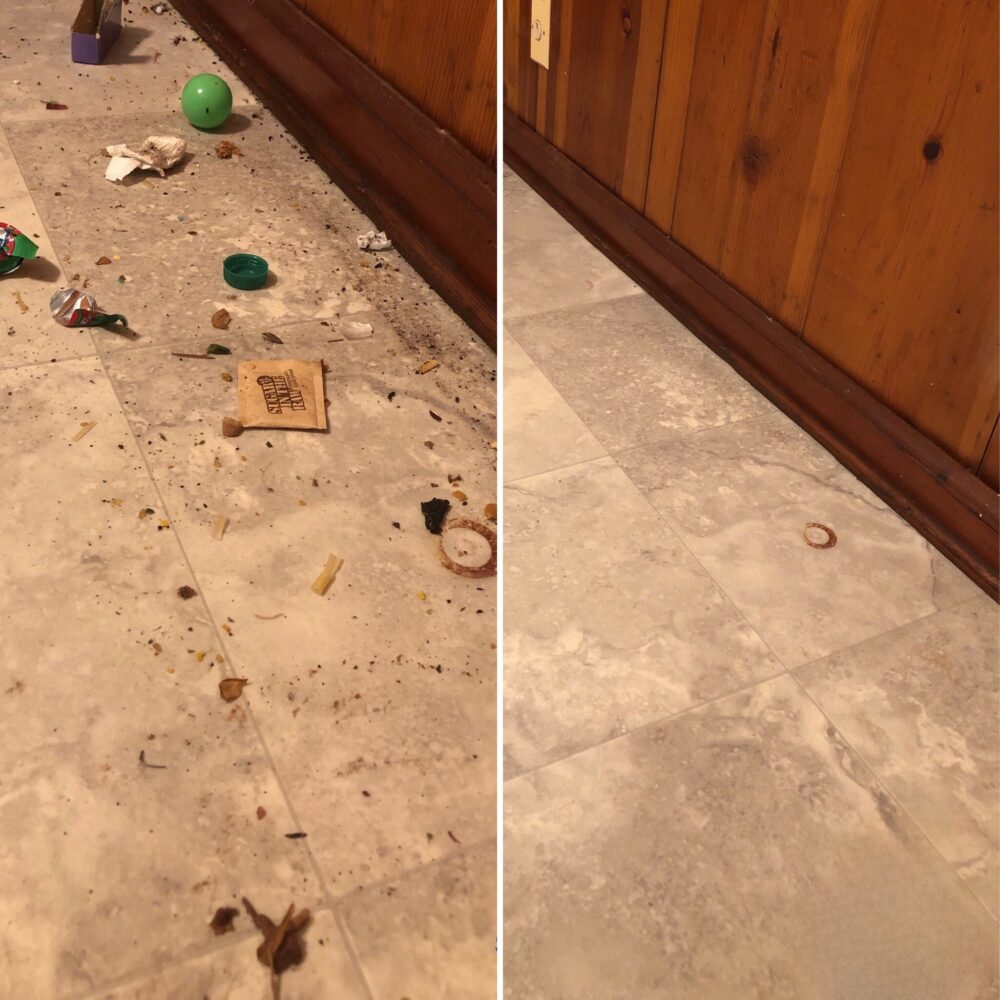
- Cleaning and sanitizing. Floodwater is dirty. Sewage backup cleanup or storm damage restoration jobs need serious disinfecting and sanitizing. Personal belongings get assessed too.
- Restoration and repairs. Damaged drywall gets replaced. Hardwood floor water damage gets addressed. Carpet water damage restoration happens when the carpet is salvageable. The goal is getting your home back to how it was before.
That’s the general flow. But every job is different.
We see a lot of older homes near Elizabeth Porter Park in Marietta with plaster walls and hardwood floors from the 1950s and 60s. Those materials hold moisture in ways that newer drywall doesn’t. A crew that knows Marietta homes will check for problems a less experienced team might miss.
Why Speed Changes Everything
Mold can start growing in as little as 24 to 48 hours after water exposure. The Institute of Inspection, Cleaning and Restoration Certification (IICRC) sets the industry standard for response timelines. Their S500 guidelines say drying should begin as soon as possible to prevent secondary damage.
That’s not a scare tactic. It’s just how moisture works.
A burst pipe cleanup at 2 AM feels overwhelming. But getting emergency water extraction started that same night can save you thousands in repairs later. We’ve walked into homes where the homeowner waited three days to call. By then the baseboards were warping, the drywall was crumbling, and mold testing confirmed growth behind the kitchen cabinets.
You don’t want to be in that spot.
What You Should Do Before the Crew Arrives
There are a few things you can do right now if you’re dealing with water in your home.
- Turn off the water supply if a pipe or appliance caused the leak
- Move furniture off wet carpet if you can do it safely
- Take photos of everything for your insurance claim
- Don’t use your household vacuum on standing water
And don’t try to rip out wet drywall yourself. It sounds productive, but improper removal can spread contamination and create bigger problems. If you want a closer look at how professionals approach this safely, OSHA publishes safe flood cleanup guidelines that outline the hazards involved in handling standing water and wet materials.
One thing most people don’t realize is that water damage restoration isn’t just about removing water. It’s about returning moisture levels to a safe range throughout the structure. A floor might look dry on the surface. But moisture trapped underneath can cause buckling and mold growth weeks later.
That’s why professional moisture detection and removal equipment matters so much. Your eyes can’t see what’s happening inside a wall cavity.
If you’re dealing with water damage right now and want to understand your options, our water damage restoration page walks you through everything. You can also call and talk to someone who’s handled hundreds of these situations in Marietta homes just like yours.
Common Water Damage Scenarios and What They Mean for Your Home
Not all water damage looks the same. And the source of the problem changes everything about how your home needs to be treated.
We get calls from homeowners near Elizabeth Porter Park who assume a small ceiling stain is no big deal. Then we pull back the drywall and find mold growing behind it. The type of water damage you’re dealing with tells us how fast we need to move and what’s at risk.
Burst Pipe Cleanup
Pipes burst for a lot of reasons. Old galvanized lines corrode over time. Frozen pipes crack in Marietta’s occasional cold snaps. A burst pipe can dump hundreds of gallons into your home in under an hour. That water soaks into subfloors and insulation fast. The longer it sits, the more damage it does to your home’s structure.
Most people don’t realize a burst pipe behind a wall can go unnoticed for days. By then you’ve got warped framing and the start of mold growth.
Appliance Leak Cleanup
Your washing machine hose fails. Your dishwasher connection loosens. Your water heater rusts through at the bottom. These are slow leaks that cause big problems. We see this mistake all the time. Homeowners put a towel down and plan to “deal with it later.” But moisture is already wicking into your cabinets and flooring.
A water heater leak in a closet or garage can go unnoticed for weeks. That standing moisture creates the perfect conditions for mold to take hold in hidden spaces.
Storm Damage Restoration
Marietta gets its share of heavy rain. Homes near Elizabeth Porter Park sit in areas where stormwater can pool fast during downpours. Roof leaks let water into your attic. Ground saturation pushes water through foundation cracks. Storm damage often involves contaminated water from outside sources, which raises the health risk for your family.
The IICRC classifies this as Category 3 water. It requires different handling than a clean pipe burst.
Basement Flooding Cleanup
Many Marietta homes have finished basements. A heavy rain event or a failed sump pump can flood that space in hours. Your carpet, drywall, and stored belongings absorb that water fast. Basement flooding is one of the most common calls we respond to.
Here’s what matters about each of these scenarios. The water category and how long it’s been sitting determine your restoration plan.
- Clean water from a supply line needs fast extraction but poses less health risk
- Gray water from appliances may contain contaminants that require disinfection
- Black water from storms or sewage backup demands full protective protocols and specialized cleanup
Every hour counts. The Institute of Inspection Cleaning and Restoration Certification states that mold can begin growing within 24 to 48 hours of water exposure. That timeline doesn’t change based on the source. It starts the moment your home gets wet.
So what does this mean for you? It means a wet spot on your ceiling isn’t just a cosmetic issue. A damp carpet in your basement isn’t something to air out with a fan. These are signs that water is already doing damage you can’t see.
We’ve walked into homes where the visible damage was a small water stain on a kitchen ceiling. Behind that ceiling was a slow appliance leak that had been running for months, the joists were soft and the insulation was matted with mold. The repair cost tripled because the leak wasn’t caught early.
If you’re noticing any of these scenarios in your home, the right move is getting a water damage inspection before the problem grows. You can learn more about our water damage restoration process and what to expect when you reach out.
Frequently Asked Questions
Should I call a professional or try to dry water damage myself?
Call a professional if water sat for more than a few hours or touched drywall, subfloor, or carpet padding. A wet-dry vacuum can handle small spills on hard flooring. But hidden moisture inside walls and under floors needs real equipment to find and remove. Homeowners often stop once the surface feels dry. That’s when mold gets its start. If you’re unsure, a proper water damage inspection near Elizabeth Porter Park in Marietta can tell you exactly what’s happening below the surface.
What’s the biggest mistake people make after a leak?
The biggest mistake is assuming a dry-looking floor means the problem is solved. Water moves sideways and downward long after you stop seeing it. Carpet padding, subfloor plywood, and the bottom edge of drywall can stay soaked for days. You won’t feel it by touch. A moisture meter or infrared camera catches what your eyes miss. Skipping that step is how small leaks turn into mold problems weeks later.
Does Marietta’s humidity make water damage worse?
Yes, humidity slows down natural drying and gives mold more time to grow. Georgia summers push moisture into the air, and that moisture works against your walls and floors instead of helping them dry. A home in a drier climate might air out on its own faster. Homes near Elizabeth Porter Park don’t get that advantage. That’s why running dehumidification equipment matters more here than in drier regions.
Are older homes near Elizabeth Porter Park more at risk?
Yes, older homes often hold moisture differently than newer construction. Many houses in this part of Marietta were built in the 1950s and 60s with plaster walls and solid hardwood floors. Those materials soak up water and release it slowly. Newer drywall and engineered flooring behave differently under the same conditions. A crew familiar with these older homes knows where water tends to hide and how long it takes to dry them out properly.
How can I tell if there’s still moisture trapped in my walls?
You can’t tell just by looking or touching. Trapped moisture hides inside wall cavities and under baseboards where your hand can’t reach. A musty smell is often the first sign, but by then mold has usually already started. Moisture meters give exact readings from inside the material itself. That’s the only reliable way to confirm a wall or floor is truly dry, not just dry on the surface.