The Real Question Isn’t What It Looks Like – It’s How Long It Was Wet
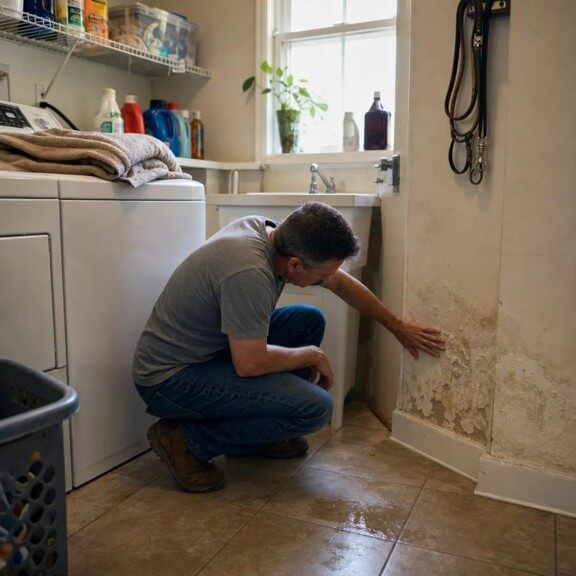
The length of time a material stayed wet is the best clue to whether you can save it. Drywall and wood that dry within 48 hours can be repaired in most cases. Materials that stay wet longer tend to grow mold and lose strength, so they’ll need to be replaced. If you aren’t sure how long it stayed wet, it’s safest to get a professional water damage cleanup assessment.
Most homeowners judge water damage by the stain they can see. A stain tells you little about what’s going on inside the wall. The amount of time the water sat there tells you a lot more. Our crews ask one question on every job in Marietta before we look at anything else. We want to know when the water started and when it stopped.
The EPA advises drying wet building materials within 24 to 48 hours to prevent mold growth. After that window, the damage moves past the surface and into the material itself.
- Within the first 24 hours, most drywall and wood can be dried in place with air movers and dehumidifiers.
- Between 24 and 48 hours, carpet pad starts to break down and drywall begins to soften at the bottom edge.
- Between 48 and 72 hours, mold can start to grow on paper-faced drywall and hardwood boards may begin to cup.
- After 72 hours, soaked drywall and carpet pad usually need removal and replacement.
- After a week or more, framing and subfloors can lose strength and may need structural repair.
These ranges are general guides. Your home may land on either side of them based on the materials and the air around them.
We saw this play out on two jobs near Marietta Square last spring. A water heater leaked into a hall closet for about a day before the owner noticed. The drywall looked stained and soft. We dried it in place over three days. None of it had to come out. A few streets over, a smaller leak under a kitchen sink went on for three weeks. That cabinet base and the subfloor under it had to be replaced.
A small leak that lasts a long time can do more harm than a big leak you catch in an hour.
Georgia’s climate adds another factor. The air stays humid for much of the year in this area. Humid air slows drying inside walls and crawl spaces. A wet crawl space under an older home off Whitlock Avenue can stay damp for weeks without a dehumidifier running. A leak that might dry on its own in a drier place can turn into mold in Cobb County.
The source of the water is the other thing to weigh. Clean water from a supply line gives you the most room to save materials. Sewage backup is a different case. Carpet and drywall that touch sewage need removal regardless of the timeline.
You may not know how long the water was there. That’s common with slow leaks behind walls and under floors. We use moisture meters and thermal cameras to find how far the water spread. Those readings let us tell you which materials can be dried and which ones have to go.
An early start on drying saves more of your home.
Signs That Often Point to Permanent Damage
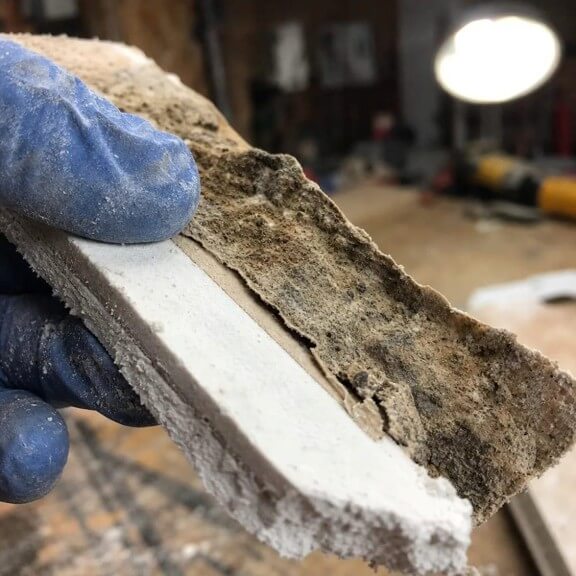
Some building materials can’t recover after they soak up water. Learning the signs helps you decide what to save and what to replace. It also keeps you from spending money on repairs that won’t hold up.
We look for the same warning signs on every job in Marietta. Most of them are easy to spot once you know where to look. You can check for these on your own before anyone arrives.
- Drywall that feels soft or crumbles when you press it with your thumb
- Hardwood boards that crack or pull loose from the subfloor after drying
- Particleboard subfloors and cabinet bases that swell and split apart
- Fuzzy or dark mold growing into insulation or carpet pad
- A musty smell that returns after the area looks dry
- Ceiling drywall that sags between the joists
One of these signs by itself doesn’t mean you need a full tear-out. But two or more in the same room tend to point toward replacement.
Drywall is made of gypsum pressed between two layers of paper. The gypsum breaks down when it stays wet for days. The paper face can feed mold growth. A wall that feels spongy usually needs removal and replacement.
Hardwood needs a closer look before you give up on it. Boards can cup as they take in moisture. Many of them flatten out with the right drying setup. We measure the moisture inside the wood before we make that call.
The source of the water can decide the answer for soft materials. The IICRC S500 standard treats sewage as Category 3 water. Under that standard, porous items that touch sewage should be removed. That includes carpet and pad along with drywall below the water line.
Mold is another big factor. The EPA notes that mold can start to grow on wet materials within 24 to 48 hours. Mold on tile or sealed wood can be cleaned. Mold that grows into drywall or insulation can’t be cleaned out of those materials.
Marietta summers are humid, and many homes sit over crawl spaces. We find wet insulation and soft floor joists in older homes near Marietta Square. Wood rot shows up as dark wood that feels soft or breaks into small cubes.
Last spring we helped a family off Whitlock Avenue. Their washer hose had leaked behind a wall for weeks. The drywall looked fine from the laundry room. But the back side was black with mold and the bottom plate had begun to rot. We replaced that wall section and the plate. The rest of the room dried out and needed no demolition.
What should you do if you aren’t sure what you’re seeing?
A moisture meter gives a clear answer that your eyes can’t. Our techs test the materials behind the surface before anything gets torn out. That step keeps you from replacing things that can be dried and saved.
Every water damage restoration visit in Marietta begins with this same check of your walls and floors.
That same focus carries through the water damage restoration guidance our team provides to local families in Marietta.
Repair vs. Replace: A Few Common Scenarios
No two homes are the same. The same few water damage cases show up in Marietta homes again and again. Walking through them can help you see where your own home might land.
The first case is a dishwasher leak that you catch within a day. The bottom few inches of drywall feel damp. The hardwood near the sink has started to cup at the edges. This one is repairable in most homes we visit. We set up drying equipment and track moisture in the wall and floor each day. Hardwood that has cupped a little can settle flat again once it dries. The drywall can stay if it’s still firm after drying.
The second case is a slow drip under a bathroom sink that went on for months. The cabinet floor has swollen and feels soft. There’s a dark spot on the back panel. Most bathroom cabinets are made of particleboard, and it doesn’t shrink back after it swells. The cabinet needs to be replaced. We also check the subfloor under it because slow leaks tend to spread where you can’t see.
The third case is basement flooding after a heavy Marietta storm. The source of the water decides a lot. Clean water from a burst supply line gives carpet a real chance if drying starts within a day or two. Groundwater from outside is a different story. Carpet and pad that sat in outside water for days will need to go.
The fourth case is a brown ring on the ceiling below a roof leak. Press on it with a broom handle. A firm ceiling that feels dry can be repaired with a stain-blocking primer and fresh paint. A ceiling that sags or feels soft needs removal and replacement.
Do you see a pattern in these cases? A few signs point toward replacement no matter which room you’re in. Keep an eye out for these when you look at your own damage.
- The material stays soft or crumbles when you press on it.
- Particleboard or MDF has swollen at the edges.
- Mold has grown into drywall or carpet pad instead of sitting on the surface.
- The water came from a sewage backup or from floodwater outside.
- A musty smell stays in the room after everything feels dry.
We see homeowners tear out good drywall all the time because they assume wet means ruined. That’s a costly guess. A moisture meter tells us what can be saved before anyone picks up a hammer.
Your home doesn’t have to fit one of these cases to get a clear answer.
Frequently Asked Questions
How can you tell if water damage is permanent?
Permanent damage depends on how long a material stayed wet and what type of water caused it. Materials dried within 48 hours often survive. Materials soaked longer than that tend to lose strength or grow mold. The water source is important. Clean water gives you more time than sewage or floodwater. A moisture meter check gives you a clear answer beyond guesswork. Our water damage restoration process in Marietta starts with that exact check.
Does water damage eventually go away on its own?
No, water damage does not go away without drying and repair. Moisture trapped inside walls or under floors stays there until it’s removed by air movement or equipment. Left alone, it can lead to mold growth and weaken wood framing over time. A stain may fade from view but the moisture behind it often remains. Waiting rarely improves the outcome and can turn a repairable issue into a replacement job.
Do realtors have to disclose water damage?
Disclosure rules depend on state law and the specific sale situation. Sellers in Georgia should check with their real estate agent or an attorney about what past water damage must be reported. Past repairs that were properly dried and documented are viewed differently than damage left untreated. If you’re unsure how a past leak in your home should be handled during a sale, a professional inspection report can give you documentation to share with your agent.
How much does water damage devalue a house?
Water damage can lower a home’s value, but the amount depends on the extent of the damage and whether it was properly fixed. Buyers and appraisers often react more to unresolved issues, such as visible mold or soft flooring, than to damage that was dried and repaired with records to show it. Getting an assessment and keeping documentation of the repair work can protect your home’s value during a future sale.
Can drywall be saved after it gets wet?
Drywall can sometimes be saved if it was clean water and dried within a day or two. Drywall exposed to sewage or floodwater should be removed regardless of how it looks. Drywall that stayed wet for several days often softens from the inside even if the surface looks fine. Pressing on the wall with your hand can reveal soft spots that indicate the material has broken down and needs replacement.
Are older Marietta homes more likely to have permanent water damage?
Older homes near areas like Marietta Square often have crawl space foundations, plaster walls, or original hardwood, which respond differently to water than newer construction. Crawl spaces can trap moisture for weeks without anyone noticing, which gives mold more time to spread into floor joists. Humid air common to the Atlanta area also slows natural drying in these spaces. A local inspection can catch hidden moisture before it reaches framing above the crawl space.