Stay out of a flooded basement if water could reach electrical outlets or equipment, sewage is present, or you see structural damage. If you smell gas, leave the house immediately and call 911 and Atlanta Gas Light from a safe distance. Do not operate switches or use a phone inside.
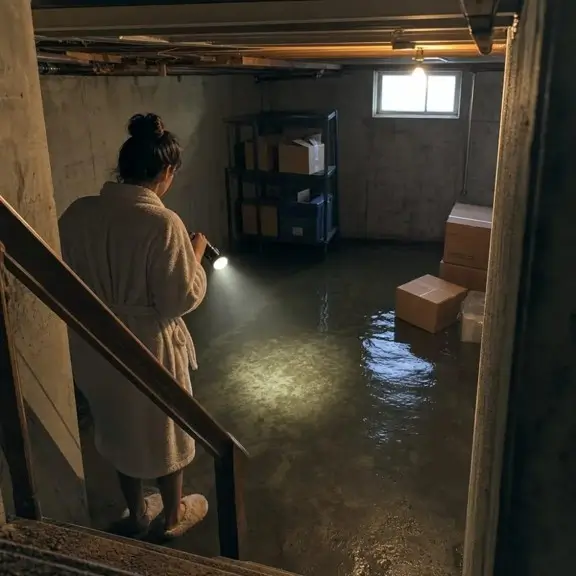
Once immediate hazards are addressed, the priorities are to identify the source, stop more water entering where possible, and arrange safe removal.Relief Remediation – Water Damage Restoration’s flooding basement cleanup includes assessing affected areas before cleanup begins.
Check Your Safety Before You Touch Anything
Standing water can hide energized wiring, sharp debris, and contamination. Keep children and pets away. Rubber boots and gloves do not make it safe to enter water that may be electrified.
Turn off the main breaker only if the panel and your route to it are dry and you can do so safely. Do not touch a wet panel or wade through water to reach it. Contact your electric utility or a licensed electrician for safe disconnection. Have flood-affected wiring and equipment checked before power is restored.
Marietta-area providers include Marietta Power, Georgia Power, and Cobb EMC. Contact the provider listed on your bill; a Marietta mailing address alone does not identify your utility.
Some older homes near Marietta Square and off Church Street have low basement outlets or older wiring. Those features can increase exposure to floodwater, but electrical hazards are possible in a home of any age.
Other warning signs include:
- Gas odors or hissing near a gas line or appliance
- Sagging ceilings or water coming through light fixtures
- Bowed foundation walls or new cracks
- Sparks, buzzing, or popping from electrical equipment
- Sewage odors, drain backups, or floating waste
Leave if you suspect a gas leak, an electrical emergency, or structural instability. Call for help from outside and do not return until responders say it is safe. Sewage contamination also requires restricted access and appropriate cleanup.
We once visited a Marietta basement where the homeowner had waded in to save family photos while water touched a power strip. Nobody was hurt, and the photos were dried and saved later. The safer choice would have been to leave them until the electrical hazard was resolved.
That experience is why documenting damage comes after safety. Take photos only from a safe, dry location. If accessible, record the water level, affected walls, and damaged belongings before moving them. Contact your insurer for claim and disposal instructions; documentation can support a claim, but does not guarantee coverage.
Identify What Kind of Water You’re Dealing With
The source and contamination affect both the cleanup method and what can be saved. Restoration professionals use three water categories:
- Category 1: Water from a sanitary source, such as a broken supply line. It can become contaminated after contacting building materials or other substances.
- Category 2: Water with significant contamination that can cause illness or discomfort through exposure. Some appliance discharges fall into this category; classification depends on the actual conditions.
- Category 3: Grossly contaminated water, including sewage backups and stormwater that flows over the ground into a home. This calls for specialized cleanup, not homeowner entry with ordinary boots and gloves.
Water does not automatically change category after a fixed number of hours. Its source, what it contacts, temperature, and time all matter. A failed sump pump alone does not establish the category, and clear water or a lack of odor does not prove safety.
From a safe location, note whether water is appearing near a supply pipe, rising through a floor drain, or entering at a wall after rain. Sewage odors and floating waste are warning signs, but homeowners do not need to diagnose the category before calling for help. Avoid contact with water of unknown origin.
Last spring, a homeowner near Marietta Square thought a few inches of water in her finished basement came from the water heater. Our inspection traced it to a floor-drain backup during a storm, while moisture detection and mapping documented the affected areas. The city sewer line had backed up, so the cleanup required a different approach from a sanitary supply-line leak.
That source assessment changed what could be saved. Carpet affected by sanitary water may be salvageable if conditions allow prompt cleaning and drying. Sewage-soaked carpet, pad, and other affected porous materials generally require removal. Drywall and insulation need assessment based on contamination and damage. Arrange proper disposal rather than automatically leaving contaminated debris at the curb.
Stop the Source and Start Removing Standing Water
Once the hazards have been assessed, address ongoing water entry. A burst supply line, failed water heater, sump pump problem, or stormwater intrusion needs a different response.
The red clay soil common around Cobb County can retain water. Where drainage is poor, saturated soil beside the foundation may contribute to seepage through cracks or joints. Removing indoor water will not correct the drainage problem itself.
Take only the steps you can reach and complete safely:
- Stop a plumbing leak: Close the main water valve if it is safely accessible. It may be near the water heater or where the supply enters the house. Otherwise, call a plumber.
- Have a failed sump pump checked: Do not handle its plug, wiring, or float while standing in water. Flood-affected electrical components need assessment before use.
- Reduce roof runoff: Once weather and access are safe, clear accessible drainage obstructions and direct downspouts away from the foundation. Do not climb onto a wet roof.
- Protect accessible belongings: Move items only from areas cleared for entry. Photograph damage first where practical, and keep contaminated items away from clean rooms.
A small, contained sanitary-water spill may be manageable with a suitable wet/dry vacuum after electrical safety is established. Significant standing water, sewage, uncertain contamination, or soaked finished walls warrant professional assessment. Do not use a household dry vacuum or wet electrical equipment.
Deep flooding needs a pumping plan. When the soil outside is saturated, removing indoor water too quickly can increase pressure on foundation walls and floors. Have a qualified professional assess when and how to pump rather than following a fixed daily amount for every basement.
Extraction is only the beginning. Last spring, a family in west Marietta removed standing water and saw the carpet surface dry within two days. Our moisture meters still showed soaked pad and wet drywall at the floor. Mold had begun behind the baseboards before the week was out.
Their experience shows why our moisture checks matter after visible water is gone. Wet materials may need removal, cleaning, or controlled drying before repairs. The EPA’s mold and moisture guidance recommends drying water-damaged areas and items within 24–48 hours to help prevent mold; it is not a safe waiting period.
Put Safety Before Water Removal
Stay out until immediate hazards are resolved, identify and stop the source where safe, and arrange removal suited to the water and the building. Before repairs, check for moisture in the walls and flooring as well as on the surface.
Frequently Asked Questions
How do I know if basement water is safe to walk through?
Appearance cannot establish safety. Stay out if electricity, sewage, or structural damage may be involved. Unknown water needs assessment; rubber boots and gloves do not protect you from every hazard.
Should I remove basement water myself or call a professional?
A small, contained sanitary-water spill may be manageable once electrical safety is established. Call for assessment of significant flooding, contaminated water, soaked walls, or an uncertain source. Do not wait for odors or visible mold.
Are older Marietta homes at greater electrical risk during a flood?
Some homes near Marietta Square and Church Street have low outlets or older wiring that can increase exposure. Any flooded home can have electrical hazards, so age alone cannot establish whether entry is safe.
What should I do if I smell gas in a flooded basement?
Leave the house immediately without operating switches or using a phone inside. From a safe distance, call 911 and Atlanta Gas Light. Stay away until emergency personnel say it is safe to return.
Does Marietta’s weather make basement flooding worse?
Heavy rain can overwhelm drainage or contribute to sewer backups. Local red clay can retain water, and poor drainage beside foundations may worsen seepage. Storm-related water is not automatically sewage, but overland floodwater can be highly contaminated.
How can I tell where basement water came from?
From a safe location, note leaks near plumbing, water rising through drains, or seepage after rain. These clues guide an inspection; smell and appearance alone cannot confirm the source or contamination level.